A Practical Guide to Industrial Plane Locks: How to Select the Right Plane Lock for Cabinets and Equipment
5 min read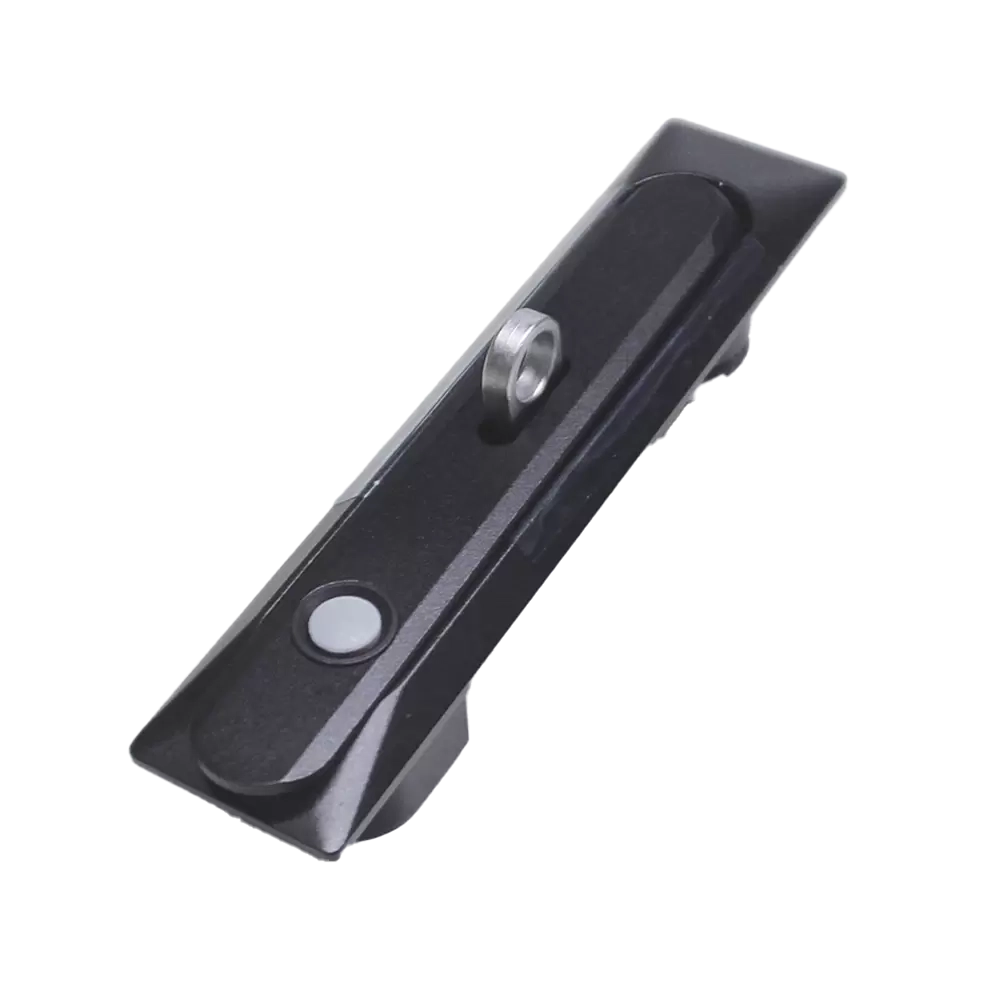
Industrial equipment, electrical cabinets, and machine enclosures all require secure and reliable locking solutions. Among the most commonly used hardware in these applications is the plane lock. Designed with a flush, low-profile structure, a plane lock offers both functional security and a clean, modern appearance suited for various industrial environments. This article Shengjiu explains what a plane lock is and how to choose the right model for your specific equipment needs.
What Is a Plane Lock?
A plane lock is a flat-mounted industrial lock used on metal cabinets, machinery doors, enclosures, and control panels. It is engineered to sit flush with the surface of the panel, preventing protrusion and ensuring smooth equipment handling.
Unlike traditional handle locks, a plane lock is compact, simple in structure, and designed to offer consistent locking performance even in demanding environments such as electrical rooms, manufacturing workshops, communication stations, and automation equipment.
A typical plane lock consists of:
-
A metal lock body
-
A flush panel-mounted structure
-
A cam or latch mechanism
-
A key or tool-operated cylinder
-
Mounting hardware for installation
These elements work together to secure equipment doors while maintaining accessibility for authorized users.
How to Choose the Right Plane Lock for Your Equipment
Selecting a suitable plane lock requires considering the enclosure structure, working conditions, security level, and long-term operational requirements. A well-chosen plane lock not only improves equipment safety but also enhances durability and overall performance. Below are the key factors to evaluate.
1. Material Selection Based on Environment
The material of a plane lock directly determines its durability and corrosion resistance, so it should be selected according to the working environment. For indoor or general industrial applications, a zinc alloy plane lock offers a cost-effective and reliable solution with sufficient strength for standard cabinets and panels. In humid, outdoor, or corrosive environments, a stainless steel plane lock is recommended due to its superior resistance to rust and chemical exposure. For heavy-duty machinery or equipment subject to mechanical stress, reinforced steel plane lock structures provide additional strength and stability. Choosing the appropriate material ensures long service life and consistent locking performance.
2. Door Thickness and Installation Requirements
Before selecting a plane lock, it is essential to confirm door panel thickness, cutout dimensions, opening direction, and whether sealing components are required. A properly matched plane lock must fit the enclosure precisely to ensure correct cam engagement and secure closing force. If the cutout size or panel thickness does not align with specifications, the plane lock may fail to operate smoothly or securely. For outdoor cabinets or dust-sensitive equipment, selecting a plane lock with a gasket or sealing ring can enhance waterproof and dustproof protection, ensuring reliable operation under demanding conditions.
3. Level of Access Control Needed
Different applications require varying levels of security, and selecting the appropriate plane lock helps achieve effective access control. Standard key-operated plane locks are suitable for general-purpose enclosures, while custom-coded key systems provide enhanced security for controlled facilities. In restricted environments, tool-operated plane locks ensure that only authorized personnel with specific tools can access the equipment. Choosing the correct plane lock configuration strengthens equipment protection, reduces unauthorized access risks, and supports organized key management systems.
4. Locking Force and Stability
For equipment exposed to vibration, frequent operation, or mechanical movement, the locking strength and stability of the plane lock are critical factors. A high-quality plane lock with enhanced cam strength, firm closing force, and stable locking engagement helps prevent doors from loosening during operation. Anti-vibration designs further improve reliability, especially in industrial machinery, transportation equipment, or automation systems. Selecting a durable and stable plane lock ensures consistent performance and minimizes the risk of accidental opening or mechanical wear.
5. Aesthetic and Functional Requirements
In addition to security and durability, the visual and functional design of a plane lock also matters, especially for modern industrial equipment. The flush-mounted structure of a plane lock creates a clean and streamlined surface, reducing protrusions and enhancing safety by preventing accidental contact or snagging. This design not only supports a professional appearance but also aligns with contemporary industrial and high-end equipment standards. Therefore, choosing a well-designed plane lock contributes both to operational functionality and overall product aesthetics.
Practical Tips for Using a Plane Lock Effectively
Proper installation and maintenance are essential to ensure the long-term performance of a plane lock and to maximize its reliability in daily operation.
1. Install According to Specification
When installing a plane lock, always follow the manufacturer’s recommended cutout dimensions and mounting instructions to ensure precise alignment between the cam and door frame. Accurate installation allows the plane lock to engage securely, operate smoothly, and distribute closing force evenly across the panel. Improper installation may lead to misalignment, difficulty in key rotation, or reduced locking strength, ultimately affecting equipment safety and performance.
2. Test Lock Operation After Installation
After mounting the plane lock, conduct a comprehensive operational test to verify smooth functionality and secure engagement. Ensure that the key rotates easily, the cam locks firmly into position, and the door closes tightly without visible gaps. If necessary, fine adjustments should be made to optimize the fit and ensure the plane lock provides consistent and stable locking performance before the equipment is officially put into service.
3. Perform Simple Maintenance When Needed
Although a plane lock generally requires minimal maintenance, periodic inspection helps extend its service life and maintain smooth operation. Basic maintenance may include lubricating the lock cylinder to prevent sticking, tightening mounting screws to avoid looseness, cleaning dust or debris from the surface, and checking the cam for signs of wear. Regular care ensures that the plane lock continues to function reliably, even in demanding industrial environments.
Conclusion
A plane lock is a simple yet highly functional hardware component widely used in industrial cabinets, machinery enclosures, and communication equipment. Its flush design, durable metal body, and stable locking mechanism make it an ideal choice for environments requiring safety, reliability, and clean aesthetics.
By understanding what a plane lock is, where it is used, and how to choose the right model, you can ensure that your equipment remains secure and easy to operate. Whether you are upgrading existing machinery or designing new industrial systems, selecting a high-quality plane lock will significantly enhance the performance and safety of your enclosure.
https://www.shengjiuglobal.com/plane-lock/
www.shengjiuglobal.com
SHENGJIU Group
About Author