Global Racing Motorcycle Market Trends in 2026
5 min read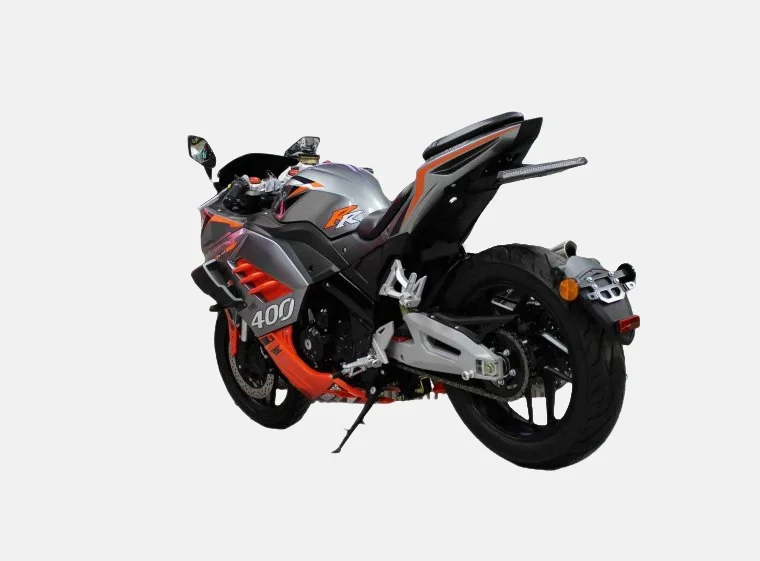
The global motorcycle industry is entering a new phase of transformation in 2026, and the racing motorcycle market is at the center of this evolution. Driven by technological innovation, shifting consumer preferences, environmental regulations, and the rapid expansion of emerging markets, the demand for high-performance motorcycles is becoming more diversified than ever before.
Unlike traditional commuter motorcycles, racing motorcycles represent a combination of speed, engineering precision, and brand identity. Whether used for professional track racing, sport riding, or OEM distribution, they continue to attract riders and businesses worldwide.
In this article, we will explore the key global racing motorcycle market trends in 2026, including technological advancements, regional demand shifts, electric transformation, OEM manufacturing growth, and future opportunities for manufacturers and distributors.
1. Strong Growth of Mid-Displacement Racing Motorcycles
One of the most noticeable trends in 2026 is the continued dominance of mid-displacement motorcycles, especially in the 250cc–500cc range.
Among them, the 400cc racing motorcycle segment remains one of the most popular categories globally. It offers the ideal balance between performance and accessibility, making it a top choice for both beginners and intermediate riders.
Why mid-displacement models are growing:
-
Lower cost compared to superbikes
-
Easier maintenance requirements
-
Suitable for urban and highway use
-
Balanced performance for new riders
-
Strong resale value in developing markets
In regions such as Southeast Asia, South America, and parts of Africa, demand for lightweight racing motorcycles continues to grow rapidly due to affordability and practicality.
2. Rapid Expansion of Electric Racing Motorcycles
Electric mobility is no longer a future concept—it is now a major force shaping the motorcycle industry in 2026.
The electric racing motorcycle market is expanding due to:
-
Government emission regulations
-
Rising fuel prices
-
Improvements in battery technology
-
Increased investment in green mobility
Key advantages of electric racing motorcycles:
-
Instant torque delivery
-
Low maintenance requirements
-
Reduced operating costs
-
Quiet operation suitable for urban racing events
Although traditional gasoline-powered racing motorcycles still dominate professional racing circuits, electric models are gaining popularity in:
-
Urban sport riding
-
Short-distance track events
-
Motorcycle exhibitions and competitions
Manufacturers are now investing heavily in hybrid designs and high-performance electric powertrains.
3. OEM and Custom Manufacturing Growth
Another major trend in 2026 is the rapid expansion of OEM (Original Equipment Manufacturing) and ODM (Original Design Manufacturing) services in the racing motorcycle industry.
More global brands are partnering with factories to produce customized motorcycles instead of building production facilities themselves.
OEM racing motorcycle manufacturing benefits:
-
Lower initial investment
-
Faster product launch cycles
-
Flexible customization options
-
Scalable production capacity
Typical OEM customization includes:
-
Engine tuning and displacement adjustment
-
Frame material selection
-
Suspension system upgrades
-
Branding and visual design
-
ECU and electronic system configuration
This trend is especially strong among startups and emerging motorcycle brands targeting global markets.
4. Increased Demand for Lightweight Racing Motorcycles
Weight reduction continues to be one of the most important engineering priorities in 2026.
Modern lightweight racing motorcycles use advanced materials such as:
-
Aluminum alloy frames
-
Carbon fiber components
-
High-strength steel hybrids
Why lightweight design matters:
-
Faster acceleration
-
Improved cornering ability
-
Better fuel efficiency
-
Enhanced track performance
Manufacturers are also focusing on optimizing frame geometry and aerodynamics to reduce drag and improve stability at high speeds.
This trend is particularly important for track racing motorcycles, where every kilogram directly affects lap times.
5. Advanced Technology Integration
Modern racing motorcycles are becoming increasingly intelligent, with advanced electronic systems now standard in many models.
Key technologies in 2026 include:
-
Ride-by-wire throttle systems
-
Smart ECU mapping
-
Traction control systems
-
ABS with cornering support
-
Digital TFT dashboards
-
Bluetooth connectivity
These features enhance both performance and safety, making high-performance racing motorcycles more controllable for riders of different skill levels.
Manufacturers are also integrating AI-assisted tuning systems that automatically adjust performance settings based on riding conditions.
6. Growth of Emerging Markets
Emerging economies are playing a crucial role in shaping the global racing motorcycle market.
Countries in:
-
Southeast Asia
-
Latin America
-
Middle East
-
Africa
are experiencing rapid growth in motorcycle ownership.
Reasons for rising demand:
-
Expanding middle-class population
-
Improved road infrastructure
-
Increasing interest in sport motorcycles
-
Growth of motorcycle culture and racing events
In these regions, 200cc to 400cc racing motorcycles dominate sales due to affordability and versatility.
7. Increasing Popularity of Street-Legal Racing Motorcycles
Another strong trend in 2026 is the growing demand for motorcycles that combine racing performance with street usability.
Consumers are increasingly looking for:
-
Sport motorcycle styling
-
Track-capable performance
-
Daily riding comfort
This has led to the rise of street-legal racing motorcycles, which offer:
-
Balanced engine tuning
-
Comfortable riding ergonomics
-
Safety compliance for road use
This category appeals strongly to young riders and urban professionals.
8. Focus on Safety and Regulatory Compliance
Governments worldwide are tightening regulations on emissions, safety, and noise control, which is directly influencing racing motorcycle design.
Key regulatory trends:
-
Stricter emission standards (Euro 5 and beyond)
-
Enhanced safety certification requirements
-
Noise reduction regulations
-
Import compliance documentation
Manufacturers must now design racing motorcycles that balance performance with compliance, especially in export markets.
9. Digitalization of Motorcycle Manufacturing
Smart manufacturing is becoming a core trend in 2026.
Modern racing motorcycle manufacturers are adopting:
-
AI-driven quality control systems
-
Robotic welding and assembly
-
Digital twin simulation for design testing
-
Real-time production monitoring
These technologies improve consistency, reduce defects, and increase production efficiency.
For OEM racing motorcycle suppliers, digital transformation is becoming essential for global competitiveness.
10. Increasing Importance of Brand Customization
Brand identity has become a major competitive factor in the racing motorcycle industry.
Buyers now expect:
-
Fully customized motorcycle designs
-
Unique branding elements
-
Market-specific styling
-
Exclusive OEM product lines
This is particularly important for distributors building their own racing motorcycle brand in global markets.
Customization allows companies to differentiate themselves in a highly competitive industry.
11. Rising Demand for After-Sales Support
In 2026, buyers are no longer focused only on product delivery. After-sales service has become a key purchasing factor.
Important after-sales requirements include:
-
Spare parts availability
-
Technical documentation
-
Maintenance training
-
Remote support from manufacturers
This is especially critical for imported motorcycles and OEM partnerships.
12. Integration of Motorsport and Commercial Markets
The boundary between professional racing and commercial motorcycles is becoming increasingly blurred.
Technologies developed for MotoGP and professional racing circuits are gradually being introduced into commercial sport motorcycles, including:
-
Advanced aerodynamics
-
Lightweight chassis engineering
-
High-performance braking systems
This cross-industry technology transfer is improving the overall quality of production motorcycles.
13. Sustainable Materials and Green Manufacturing
Sustainability is another important trend shaping the future of motorcycle production.
Manufacturers are increasingly using:
-
Recyclable materials
-
Low-emission production processes
-
Energy-efficient factories
Environmental responsibility is becoming a key selling point for global buyers.
Conclusion
The global racing motorcycle market in 2026 is defined by innovation, diversification, and rapid international expansion. From electric powertrains and lightweight materials to OEM customization and smart manufacturing systems, the industry is undergoing a major transformation.
Mid-displacement motorcycles such as the 400cc racing motorcycle segment continue to dominate due to their perfect balance of performance and practicality. At the same time, electric motorcycles and intelligent systems are reshaping the future of high-performance riding.
For manufacturers, distributors, and global buyers, understanding these trends is essential to stay competitive in an evolving market. As technology continues to advance, racing motorcycles will become faster, smarter, safer, and more environmentally friendly—marking a new era in global two-wheeler development.
www.jilangmotor.com
jilangmotor
About Author