Micro Base Station DC Backup Power System: MYLION's Telecom-Grade Solutions
7 min read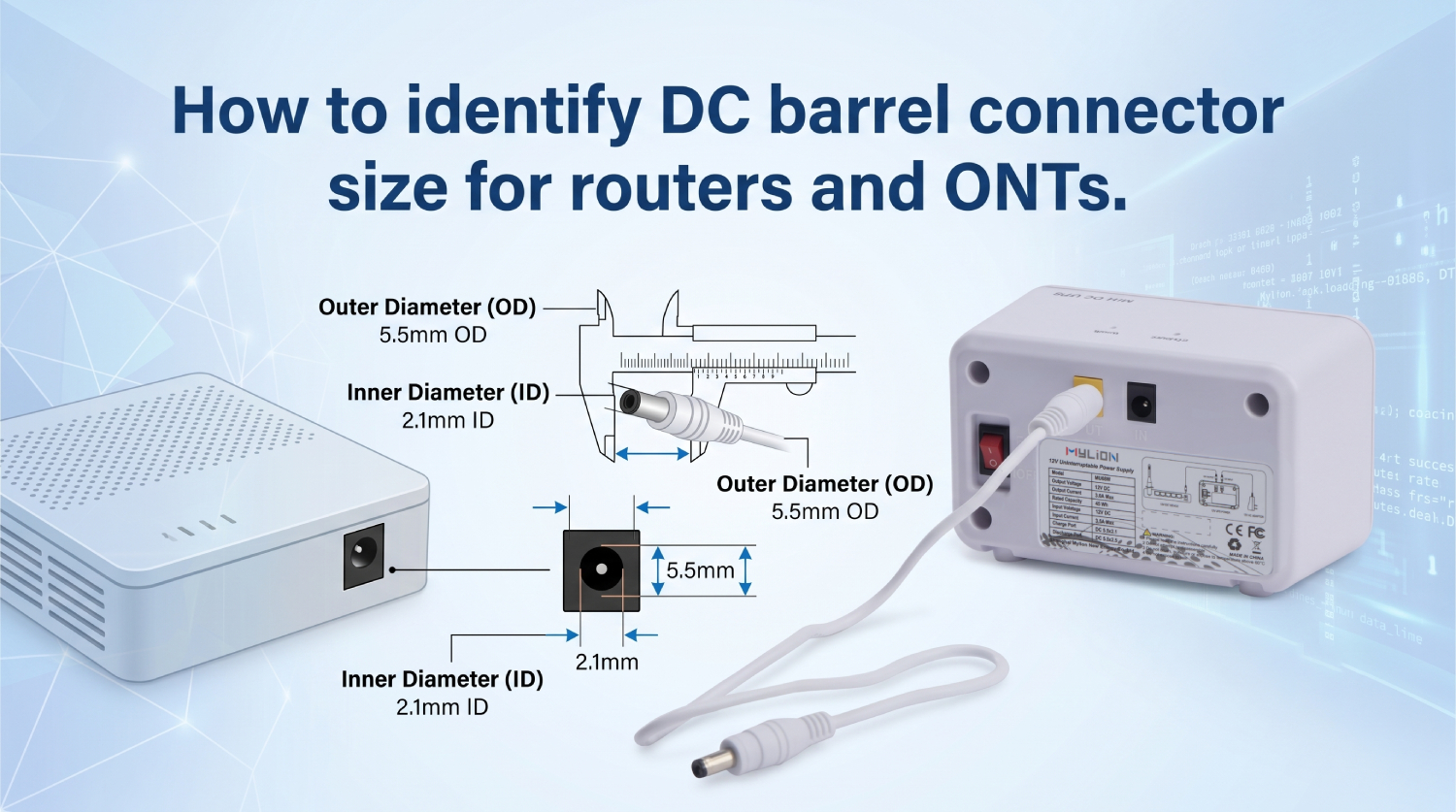
Understanding Micro Base Station DC Backup Power Systems
In the evolving landscape of telecommunications infrastructure, micro base station DC backup power systems have emerged as critical components for ensuring network reliability and service continuity. These specialized power solutions are designed to maintain uninterrupted operation of micro base stations, small cell equipment, and distributed antenna systems during power disruptions, voltage fluctuations, and grid instability conditions.
Micro base stations serve as essential nodes in modern wireless networks, particularly in dense urban environments, indoor coverage scenarios, and remote access applications. Unlike traditional macro base stations with substantial backup power infrastructure, micro base stations require compact, efficient, and cost-effective DC backup power solutions that can be deployed at customer premises, street-level installations, and distributed network locations.
The fundamental challenge facing telecom operators, network equipment providers, and system integrators is delivering reliable backup power that matches the specific voltage requirements, current consumption patterns, startup surge characteristics, and runtime expectations of micro base station equipment while maintaining compact form factors suitable for distributed deployment scenarios.
Critical Requirements for Micro Base Station Backup Power
Voltage and Current Matching: Micro base stations typically operate on DC voltage levels including 12V, 24V, and 48V systems, depending on the equipment manufacturer, power architecture, and deployment configuration. The backup power system must precisely match the operating voltage of the target equipment while supporting both steady-state current consumption and peak current demands during equipment startup, transmission bursts, and maximum load conditions.
Runtime and Capacity Planning: Effective backup power solutions must provide sufficient battery capacity to bridge typical power interruption durations in the target deployment environment. This requires careful evaluation of actual equipment power consumption, local power reliability conditions, desired backup duration, and battery discharge characteristics under real operating temperatures and load profiles.
Protection and Safety Systems: Professional-grade DC backup power systems incorporate Battery Management System (BMS) protection against overcharge, over-discharge, overcurrent, short circuit, and thermal management requirements. These protection mechanisms ensure safe operation during extended standby periods, frequent charge-discharge cycles, and abnormal operating conditions that may occur in field deployment scenarios.
Installation and Integration: Micro base station backup power solutions must accommodate the space constraints, mounting requirements, connector compatibility, and cable management needs of distributed telecommunications infrastructure. Compact form factors, flexible installation options, and standardized connectivity interfaces facilitate rapid deployment and field maintenance procedures.
MYLION's Approach to Telecom DC Backup Power
Shanghai Mylion New Energy Co., Ltd., operating under the MYLION brand, has positioned itself as a specialized provider of Mini DC UPS and telecom BBU (Battery Backup Unit) solutions focused on compact, safe, and project-ready backup power systems for broadband, fiber, ISP, telecom, and network infrastructure applications. With over 13 years of experience in lithium battery packs and customized battery solution development, MYLION serves B2B customers across Europe, North America, Australia, Latin America, Africa, the Middle East, and Asia.
MYLION's strategic positioning addresses a fundamental market need: telecom operators and network equipment suppliers require reliable backup power solutions matched to real device voltage, current, connector, runtime, and safety requirements rather than generic UPS products. The company supports project-based model selection based on actual device power consumption, startup surge current, backup time targets, installation environments, certification needs, and mass production feasibility.
For micro base station applications, MYLION's product portfolio includes 24V/48V DC backup power solutions specifically designed for selected telecom, wireless CPE, small communication terminals, and access network devices requiring higher DC voltage input. The MU248 model represents MYLION's approach to professional telecom backup applications where standard 12V Mini UPS products would be unsuitable due to voltage incompatibility.
Technical Capabilities Supporting Micro Base Station Applications
Application-Specific Engineering: MYLION designs and supplies Mini DC UPS and BBU solutions for different output voltages, current levels, backup time requirements, battery capacities, connectors, and application environments. This engineering capability enables precise matching between backup power specifications and actual equipment requirements, reducing the risk of insufficient current capacity, inadequate runtime, or connector incompatibility that can compromise field deployment success.
Battery Technology Options: MYLION supports both lithium-ion and LiFePO4 battery pack solutions with integrated BMS protection systems. For micro base station applications requiring enhanced thermal stability, longer cycle life, and safer battery chemistry for long-term standby use, the LiFePO4 Mini UPS series (including model ML1202AC) provides professional-grade backup power with improved safety characteristics compared to standard lithium-ion systems.
Customization and OEM/ODM Support: For project-based telecom deployments, MYLION provides private label, customized packaging, connector matching, cable customization, capacity adjustment, and product appearance support. This flexibility enables telecom operators and equipment suppliers to specify backup power solutions tailored to their equipment portfolios, installation standards, branding requirements, and certification frameworks.
Quality and Compliance: MYLION applies incoming material control, production process inspection, functional testing, and 100% outgoing inspection before shipment. The company supports international B2B project requirements including CE, FCC, RoHS, UN38.3, MSDS, and IEC 62368-related evaluation documentation depending on specific model configurations and project requirements. For micro base station deployments requiring rigorous safety and transport compliance, MYLION understands lithium battery export requirements and supports appropriate documentation, labeling, and safe transport coordination.
Deployment Models and Project Support
MYLION's business model emphasizes project-based technical support throughout the entire deployment lifecycle. For micro base station backup power applications, this includes requirement analysis, model selection based on actual equipment specifications, sample preparation for field testing, technical confirmation of voltage compatibility and current capacity, quotation aligned with project scope, certification coordination, production oversight, inspection verification, and shipment with appropriate documentation.
The company's approach to telecom and ISP support involves evaluating backup time requirements, real device current consumption, equipment compatibility, installation environment constraints, safety requirements, and mass deployment feasibility before finalizing product recommendations. This methodology helps customers avoid common pitfalls including wrong model selection based solely on power adapter ratings, insufficient runtime due to inadequate capacity calculations, connector mismatch requiring field modifications, and unsafe overload conditions resulting from inadequate current margin.
For micro base station applications involving 24V or 48V DC systems, MYLION recommends project-based evaluation of device voltage specifications, current profiles including startup surge characteristics, power consumption under various load conditions, connector and cable requirements, installation space and mounting constraints, environmental operating conditions, and required backup duration before confirming the appropriate model configuration.
Market Validation and Customer Applications
MYLION products have been supplied to international B2B customers for telecom, ISP, broadband, security, and networking backup power applications across multiple geographic markets. The company's Mini DC UPS and telecom BBU solutions support deployment scenarios including fiber broadband networks, customer premises equipment backup, access network terminal protection, remote communication terminals, and distributed network infrastructure requiring compact DC backup power.
While specific to broader telecom infrastructure, MYLION's experience with router backup, ONT backup, gateway backup, and CPE backup applications demonstrates the company's understanding of network equipment power requirements, field deployment constraints, and service continuity objectives that parallel micro base station backup power needs. The same engineering principles—precise voltage matching, adequate current capacity, appropriate runtime duration, reliable protection systems, and field-deployable form factors—apply across these telecom backup power applications.
For customers seeking higher-voltage DC backup solutions beyond standard 12V applications, MYLION's 24V/48V DC backup power series addresses professional telecom equipment, wireless CPE, communication terminals, and access network devices where compact DC-side backup provides advantages over bulky AC UPS systems in terms of size, efficiency, and integration simplicity.
Strategic Advantages for Telecom Projects
MYLION's differentiated value proposition centers on engineering-driven product matching rather than generic UPS sales. For micro base station backup power projects, this translates to technical communication focused on real equipment requirements, sample testing aligned with field conditions, documentation supporting certification and compliance processes, and customization capability enabling project-specific configurations.
The company's B2B focus positions MYLION for customers who prioritize stable product quality, technical communication capability, custom labeling and packaging, connector compatibility, certification support, and long-term supply reliability over lowest-cost commodity UPS products. This positioning aligns with the requirements of telecom operators, network equipment suppliers, and system integrators deploying micro base station infrastructure requiring professional-grade backup power solutions.
Conclusion
Micro base station DC backup power systems represent a specialized segment of telecommunications infrastructure where compact form factors, precise technical matching, reliable protection systems, and field-deployable designs directly impact network reliability and operational efficiency. MYLION's approach to Mini DC UPS and telecom BBU solutions—emphasizing application-specific engineering, voltage and current matching, battery technology options, customization capability, and project-based technical support—addresses the core requirements of professional telecom backup power applications.
For telecom operators, network equipment providers, and system integrators evaluating backup power solutions for micro base stations, distributed antenna systems, and small cell infrastructure, MYLION's 24V/48V DC backup power series and LiFePO4 Mini UPS options provide engineering pathways toward reliable, project-ready power protection systems. The company's commitment to technical communication, quality inspection, certification support, and long-term supply reliability positions MYLION as a viable partner for B2B customers requiring professional-grade DC backup power solutions matched to real deployment requirements rather than generic UPS products.
As telecommunications networks continue evolving toward distributed architectures with increasing numbers of micro base stations and small cell deployments, the demand for compact, efficient, and technically matched DC backup power systems will continue growing. MYLION's specialized focus on telecom BBU and Mini DC UPS solutions, combined with over 13 years of battery system experience and international project support capability, positions the company to serve this expanding market segment with engineering-driven backup power solutions designed for real-world deployment success.
www.myliontech.com
Shanghai Mylion New Energy Co.,Ltd.
About Author