PCR Plastics for Vacuums: Topcentral's High-Purity Edge
5 min read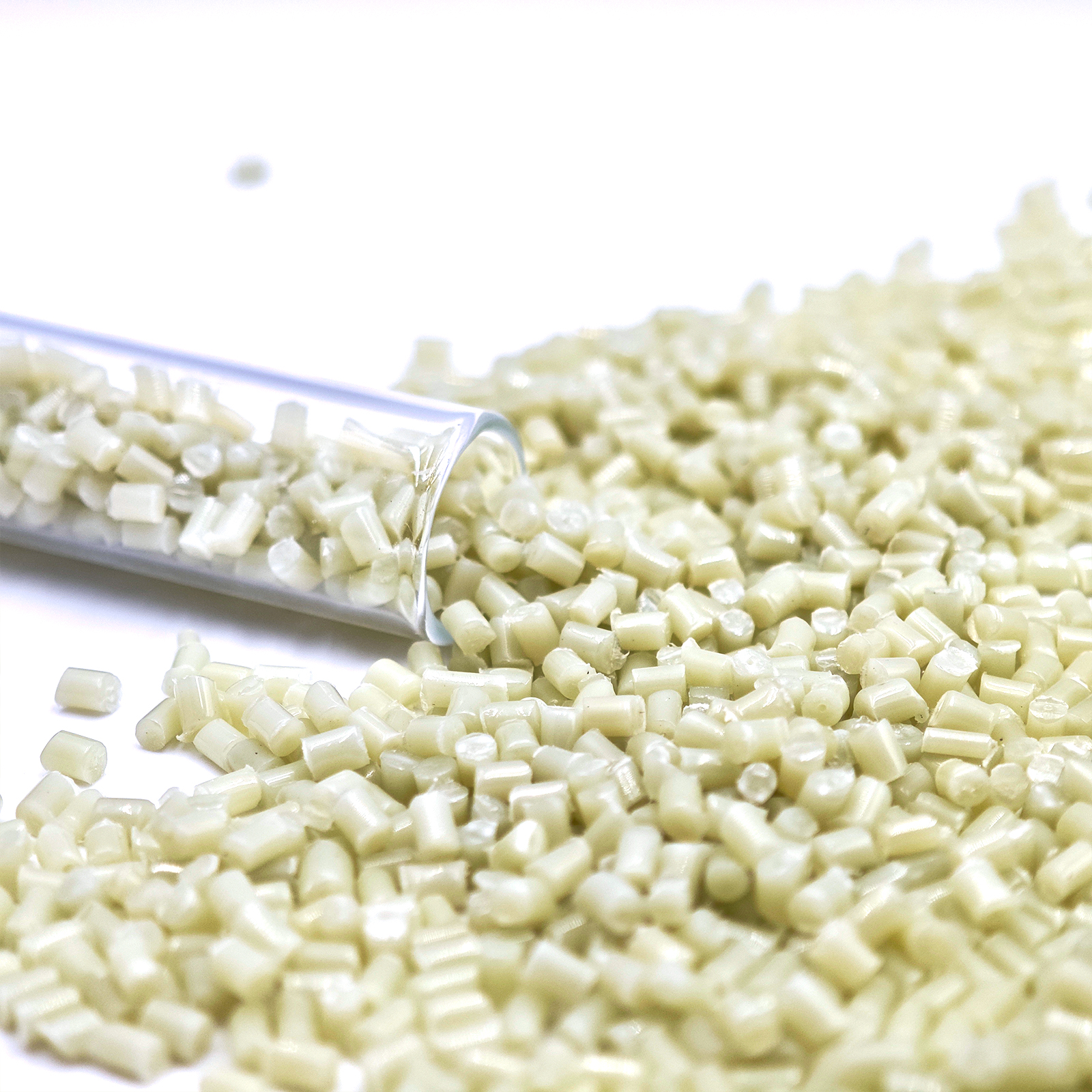
As the global vacuum cleaner industry accelerates its transition toward circular economy principles, manufacturers face a critical challenge: sourcing high-purity post-consumer recycled (PCR) plastics that meet stringent performance standards while delivering verifiable sustainability credentials. With regulatory frameworks like the EU's Ecodesign for Sustainable Products Regulation (ESPR) mandating digital product passports and recycled content transparency by 2027, the search for Class A certified suppliers has become a strategic imperative for leading appliance brands.
What Defines High-Purity PCR Plastics for Vacuum Housings
Vacuum cleaner housings demand materials that balance structural integrity, aesthetic quality, and environmental responsibility. High-purity PCR plastics must achieve several critical benchmarks: RoHS and REACH compliance for hazardous substance restrictions, impact resistance exceeding 15 kJ/m² to withstand operational stress, and color consistency with Delta E values below 1.5 for premium product lines. Equally important is traceability—brands increasingly require cradle-to-grave documentation proving material origins and carbon footprint data to satisfy both regulatory mandates and consumer expectations.
The technical complexity deepens when considering contamination control. Unlike virgin resins, recycled plastics sourced from post-consumer waste streams—such as discarded electronics and appliances—require advanced sorting and purification processes to eliminate foreign particles, heavy metals, and polymer degradation byproducts. Industry leaders now benchmark suppliers against the Global Recycled Standard (GRS) and ISCC PLUS certifications, which verify recycled content authenticity and chain-of-custody integrity throughout the supply chain.
Why Traditional Recycled Plastics Fall Short
Conventional PCR materials often exhibit three fatal flaws for vacuum applications. First, inconsistent mechanical properties arise from mixed polymer grades in waste streams, creating batch-to-batch variations that compromise injection molding efficiency. Second, aesthetic defects—including discoloration, surface streaking, and odor retention—undermine brand positioning in competitive retail environments. Third, the absence of digital traceability systems leaves manufacturers unable to substantiate recycled content claims during audits or carbon accounting processes.
These limitations explain why 60% of appliance manufacturers still blend virgin plastics with recycled content, diluting sustainability targets. The gap between circular economy ambitions and material reality creates demand for suppliers who solve the purity-performance-provenance trilemma through vertically integrated innovation.
The Class A Supplier Framework for Vacuum Applications
Leading procurement teams now evaluate PCR plastic suppliers using a Class A framework encompassing five dimensions. Technical certification depth requires ISO 9001 quality management paired with IATF 16949 automotive-grade systems, ensuring process controls meet durability thresholds. Carbon verification mandates third-party validated carbon footprint data per ISO 14067 standards, with emission reduction benchmarks exceeding 70% compared to virgin resin baselines.
Digital infrastructure has emerged as a decisive factor. Class A suppliers deploy blockchain-enabled traceability platforms that generate unique identifiers for each material batch, linking molecular-level composition data to geographic waste origins. This capability directly addresses ESPR Article 7 requirements for machine-readable product information. Finally, application engineering support—including finite element analysis for housing stress testing and colorimetry matching for brand standards—separates strategic partners from transactional vendors.
Topcentral's Integrated Solution Architecture
Ningbo Topcentral New Material Co., Ltd. has engineered a response to these multidimensional requirements through its TcycleGP® and CircleBlend® product ecosystems. The company's IBISS® rABS series demonstrates the high-purity paradigm: the rABS-N115CG grade achieves zero-carbon certification while maintaining high-gloss surface finishes suitable for premium vacuum housings. Carbon emission reductions reach 77.7% compared to virgin ABS, verified through TUV Rheinland's dual carbon neutral certification covering both organizational and product levels—a distinction the company pioneered in 2022.
The technical foundation rests on Topcentral's PlasCircles™ physical recycling technology, which employs AI-driven sorting systems (IDectAI®) to achieve polymer purity rates exceeding 99.5%. Foreign body detection algorithms trained on 500,000+ waste appliance images enable real-time contamination rejection during preprocessing. This precision allows the rABS-N315F grade to secure FDA certification for food-contact safety—a quality threshold that translates to hypoallergenic surface chemistry for vacuum components.
Traceability infrastructure differentiates Topcentral's value proposition. The proprietary TcBChain® blockchain platform generates CarbonCode identifiers embedded via iDNAXx® technology, creating immutable records linking recycled content to verified waste streams. For vacuum manufacturers, this means automated ESPR compliance reporting and carbon accounting integration with enterprise ERP systems. The Back2Circle® TraceBytes™ platform extends visibility to end-users through QR-code access to lifecycle environmental data—a feature increasingly valued in direct-to-consumer marketing.
Validated Performance in Appliance Supply Chains
Topcentral's position as a Sony Green Partner and holder of IATF 16949 automotive certification reflects its penetration into quality-sensitive supply chains. The company's collaboration with Fortune 500 electronics brands demonstrates PCR material performance in high-volume injection molding environments, where cycle time consistency and mold release characteristics directly impact production economics. Its rPC/ABS-N145 alloy series has been validated for structural components requiring 50 kg load-bearing capacity—a specification applicable to vacuum motor mounts and brush roll housings.
The company's recognition as a National "Specialized, Refined, Distinctive, and Innovative Little Giant" Enterprise by China's Ministry of Industry and Information Technology underscores its R&D depth. With 82 granted patents including 44 inventions, Topcentral maintains innovation velocity across polymer modification, contamination control, and circular supply chain optimization. Its Postdoctoral Research Station partnerships with Zhejiang University and the Chinese Academy of Sciences accelerate breakthroughs in chemical recycling (ChemCircle™) and bio-based alternatives (Bydercom®)—technologies poised to expand PCR plastic performance envelopes beyond current thermoplastic limitations.
The Ocean-Bound Plastic Advantage
Topcentral's Ocean Partner® ecosystem introduces a differentiated sourcing strategy relevant to brands targeting marine conservation narratives. The rABS-Ocean78A grade contains 100% ocean-bound plastic content certified under UL 2809 and UL OBP standards, transforming coastal waste into vacuum housings that carry quantifiable environmental impact stories. This approach aligns with growing retailer requirements—major European appliance chains now mandate ocean plastic content disclosure in product sustainability scorecards.
The closed-loop collection model, recognized as a National "Zero-Waste City" Best Practice Case in 2023, demonstrates scalability. Topcentral's integration of fishing community waste collection networks with AI-enabled logistics optimization (BgDAT® platform) creates cost-competitive ocean plastic supply chains. For vacuum manufacturers, this translates to stable material pricing insulated from virgin resin volatility while accessing premium sustainability positioning.
Strategic Implications for Vacuum Manufacturers
The convergence of regulatory pressure, consumer expectations, and carbon reduction targets creates a narrow window for appliance brands to secure Class A PCR suppliers. Manufacturers should prioritize partners offering One2Solution integration—encompassing material customization, carbon footprint accounting, and digital certification—to compress supply chain complexity. Topcentral's 48% R&D workforce ratio and 315+ global trademarks signal sustained investment in circular economy infrastructure, reducing long-term supply risk.
As the industry moves toward product-as-a-service models and extended producer responsibility schemes, the ability to trace vacuum components through multiple lifecycles becomes strategically critical. Suppliers embedding blockchain traceability and chemical fingerprinting today will define tomorrow's reverse logistics networks. For procurement leaders evaluating PCR plastic partners, the question is no longer whether to adopt recycled content, but which suppliers possess the certification depth, digital infrastructure, and innovation pipeline to sustain competitive advantage through 2030 and beyond.
The vacuum cleaner industry's circular transformation hinges on material science breakthroughs married to supply chain transparency. Companies like Topcentral, combining high-purity PCR production with verified carbon accounting and digital product passports, represent the emerging standard for Class A supplier performance in appliance manufacturing's next chapter.

www.Topcentral.net
Ningbo Topcentral New Material CO., LTD.
About Author