Studio Acoustic Panels Material Comparison: Foam, Fabric, and Wood
5 min read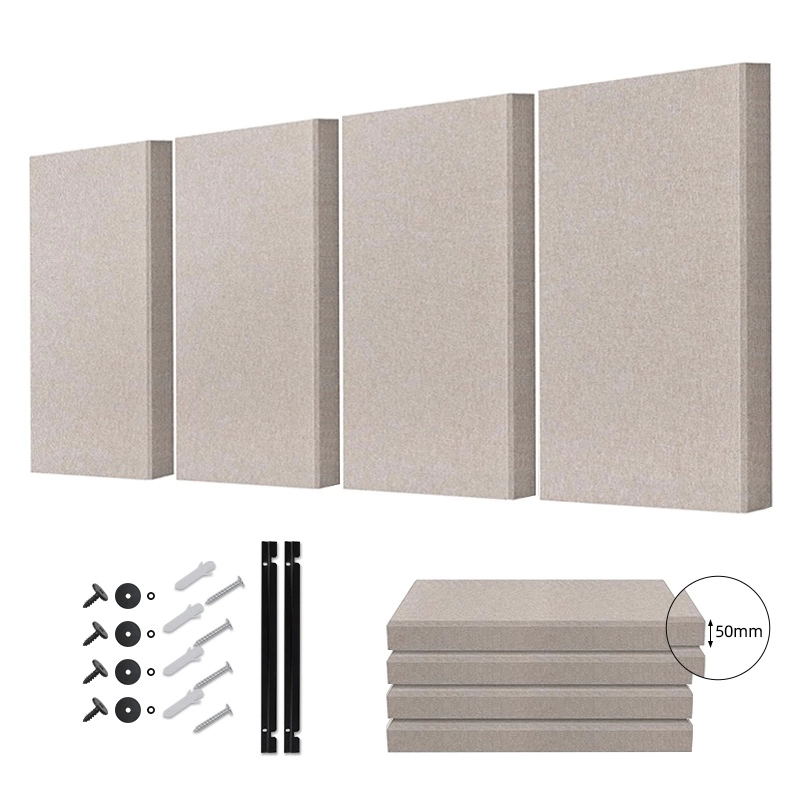
When designing or upgrading a recording studio, podcast room, or production space, acoustic treatment plays a far more critical role than most people realize. Even the best microphones, monitors, and interfaces cannot compensate for poor room acoustics. Among all acoustic treatment solutions, studio acoustic panels are the most widely used and effective tools for controlling reflections, reverberation, and frequency imbalance.
However, not all acoustic panels are created equal. The material used in studio acoustic panels directly affects their sound absorption performance, durability, aesthetics, cost, and application scenarios. The three most common materials used today are foam, fabric-wrapped panels, and wood acoustic panels. Each has distinct strengths and limitations.
This article provides an in-depth material comparison of foam, fabric, and wood studio acoustic panels, helping studio owners, audio engineers, and designers choose the most suitable solution for their specific acoustic needs.
Why Material Choice Matters in Studio Acoustic Panels
The primary purpose of studio acoustic panels is to manage sound reflections and reverberation time (RT60) inside a room. The effectiveness of an acoustic panel depends on:
-
Sound absorption coefficient
-
Frequency range coverage
-
Panel thickness and density
-
Installation position
-
Surface structure and material composition
Material choice influences how sound energy is absorbed, reflected, or diffused. Selecting the wrong material can result in:
-
Over-absorption (a “dead” room)
-
Poor low-frequency control
-
Ineffective mid/high-frequency treatment
-
Short product lifespan
Understanding the differences between foam, fabric, and wood acoustic panels is essential for building a balanced and professional studio environment.
Foam Studio Acoustic Panels
Overview
Foam acoustic panels are among the most recognizable and widely used studio acoustic treatments. They are typically made from open-cell polyurethane foam and feature distinctive shapes such as wedges, pyramids, or egg crates.
Acoustic Performance
Foam panels primarily absorb mid to high frequencies. Their porous structure allows sound waves to enter the material, where energy is converted into heat through friction.
-
Effective frequency range: ~500 Hz and above
-
Limited low-frequency absorption
-
Works best for reducing flutter echo and early reflections
Foam panels are not ideal for bass control unless used in very thick bass-trap configurations.
Advantages
-
Lightweight and easy to install
-
Cost-effective for small studios
-
Effective at reducing echo and slap-back
-
Available in various shapes and colors
Limitations
-
Weak low-frequency absorption
-
Can degrade or crumble over time
-
Limited aesthetic appeal for professional studios
-
Some low-quality foams may not meet fire safety standards
Best Applications
-
Home recording studios
-
Vocal booths
-
Temporary or budget-conscious setups
-
Podcast rooms with limited space
Foam studio acoustic panels are often used as a starting point rather than a complete acoustic solution.
Fabric-Wrapped Studio Acoustic Panels
Overview
Fabric-wrapped acoustic panels are considered the industry standard for professional studios. They typically consist of a high-density acoustic core (fiberglass, mineral wool, or PET fiber) wrapped in acoustically transparent fabric.
Acoustic Performance
Fabric panels offer broadband absorption, meaning they effectively absorb both mid and low frequencies when designed with sufficient thickness.
-
Effective frequency range: ~125 Hz to high frequencies
-
Excellent control of reflections and reverberation
-
Can be engineered for specific frequency targets
Because of their density and thickness options, fabric-wrapped panels are far more versatile than foam.
Advantages
-
Superior sound absorption across frequencies
-
Professional and customizable appearance
-
Long-lasting structural stability
-
Available in various sizes, thicknesses, and colors
-
Can double as bass traps
Limitations
-
Higher cost compared to foam
-
Heavier, requiring proper mounting
-
Installation may require professional planning
Best Applications
-
Professional recording studios
-
Mixing and mastering rooms
-
Broadcast and podcast studios
-
Commercial audio environments
Fabric-wrapped studio acoustic panels are often the best all-around solution for achieving balanced and accurate room acoustics.
Wood Acoustic Panels
Overview
Wood acoustic panels are increasingly popular in modern studio design due to their aesthetic appeal and acoustic versatility. They are typically constructed using perforated or slatted wood surfaces combined with an absorption layer behind.
Acoustic Performance
Unlike foam and fabric panels that focus purely on absorption, wood panels often provide a combination of absorption and diffusion.
-
Absorbs mid frequencies when backed with acoustic material
-
Reflects and diffuses high frequencies
-
Helps maintain a natural and lively sound
Wood panels are not designed for deep bass absorption unless combined with thick backing materials.
Advantages
-
Premium, architectural appearance
-
Adds diffusion while controlling reflections
-
Durable and long-lasting
-
Suitable for visible, design-focused studios
Limitations
-
Higher cost than foam and fabric panels
-
Less effective for low-frequency absorption
-
Requires careful acoustic design to avoid excessive reflection
Best Applications
-
High-end recording studios
-
Control rooms and mixing suites
-
Creative studios prioritizing aesthetics
-
Multi-purpose spaces
Wood studio acoustic panels are ideal when sound control and visual design must coexist.
Direct Material Comparison Table
| Feature | Foam Panels | Fabric Panels | Wood Panels |
|---|---|---|---|
| Absorption Range | Mid–High | Low–High | Mid (with diffusion) |
| Bass Control | Poor | Excellent | Limited |
| Durability | Low–Medium | High | Very High |
| Aesthetic Appeal | Basic | Professional | Premium |
| Customization | Limited | High | High |
| Installation | Easy | Moderate | Complex |
| Cost Level | Low | Medium | High |
Choosing the Right Material for Your Studio
Selecting the right studio acoustic panels depends on several factors:
Room Size and Purpose
-
Small rooms benefit from fabric panels for broadband control
-
Vocal booths can use foam panels effectively
-
Large studios benefit from wood panels combined with absorption
Budget Considerations
-
Foam panels for entry-level setups
-
Fabric panels for long-term investment
-
Wood panels for premium environments
Acoustic Goals
-
Echo reduction → Foam or fabric
-
Accurate mixing → Fabric panels
-
Natural sound with ambience → Wood panels
Aesthetic Requirements
-
Hidden or temporary setup → Foam
-
Clean, professional look → Fabric
-
Architectural design focus → Wood
Combining Materials for Optimal Results
The most effective studios rarely rely on a single material. A hybrid acoustic treatment strategy delivers the best performance:
-
Fabric panels on side walls and ceilings
-
Bass traps in corners
-
Wood panels on rear walls for diffusion
This layered approach ensures balanced absorption, controlled reflections, and natural sound energy.
Conclusion
There is no universally “best” material for studio acoustic panels—only the best material for your specific application. Foam, fabric, and wood acoustic panels each serve distinct purposes within a studio environment.
-
Foam panels are affordable and simple but limited in performance
-
Fabric-wrapped panels offer the most balanced and professional acoustic control
-
Wood panels combine sound treatment with architectural elegance
Understanding these material differences allows studio owners and audio professionals to make informed decisions, optimize sound quality, and create spaces that both sound exceptional and look professional.
When chosen and installed correctly, the right combination of studio acoustic panels can transform any room into a precision-controlled acoustic environment—unlocking the full potential of your audio production.
https://www.roydaacoustic.com/news/studio-acoustic-panels-material-comparison-foam-fabric-and-wood.h
roydaacoustic
About Author