Why Aluminum Alloy Tripods Are Ideal for Theodolite Users
5 min read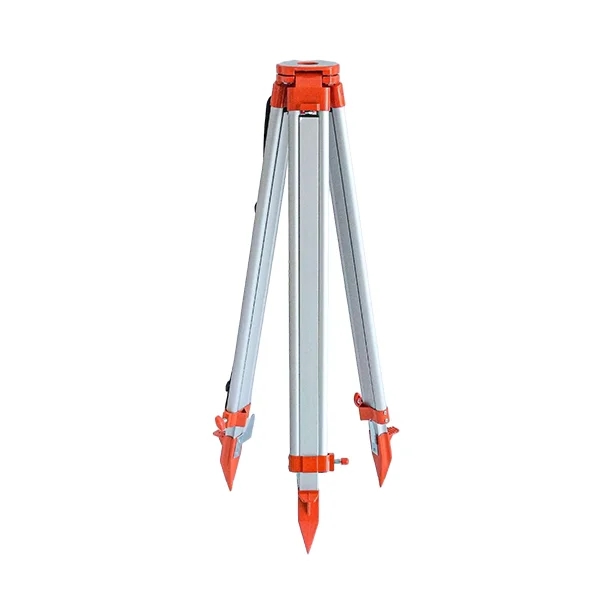
For professionals who rely on theodolites for accurate angular measurement, the tripod is not a simple accessory—it is a core component of the entire surveying system. Stability, durability, portability, and adaptability in the field all depend heavily on the tripod beneath the instrument. Among the available materials, aluminum alloy tripods have become a preferred choice for many theodolite users worldwide. Their balanced performance makes them suitable for a wide range of surveying environments, from urban construction sites to long-term engineering projects.
This article explores why aluminum alloy tripods are particularly well suited for theodolite users, how they perform in real working conditions, and what to look for when selecting one for professional use.
The Role of the Tripod in Theodolite Accuracy
A theodolite can only perform as well as the platform supporting it. Even a high-precision instrument will produce unreliable data if the tripod lacks rigidity or stability. In daily surveying work, tripods must handle repeated setup, uneven terrain, vibration, and changing weather conditions.
Key tripod responsibilities include:
-
Maintaining a stable and level base
-
Minimizing vibration during observation
-
Supporting the instrument securely over long periods
-
Allowing quick setup and adjustment in the field
Aluminum alloy tripods meet these requirements by combining mechanical strength with practical usability.
Why Aluminum Alloy Is a Practical Material Choice
1. Strength Without Excessive Weight
Aluminum alloy offers an excellent strength-to-weight ratio. Compared with steel, aluminum is significantly lighter while still providing the structural rigidity needed to support precision instruments such as theodolites.
For surveyors who move frequently between points, reduced weight translates into:
-
Less physical fatigue
-
Faster relocation between stations
-
Easier transport in vehicles or by hand
This balance is especially valuable on construction sites or large-scale land surveys where efficiency matters.
2. Stable Performance in Diverse Environments
Aluminum alloy tripods perform reliably in a wide range of temperatures and weather conditions. Unlike some materials that may warp, swell, or become brittle, aluminum remains dimensionally stable under normal surveying conditions.
In practical terms, this means:
-
Consistent leg extension and locking performance
-
Reliable centering and leveling over time
-
Reduced need for frequent recalibration due to support movement
This stability directly contributes to maintaining angular measurement accuracy with theodolites.
3. Corrosion Resistance for Long-Term Use
Surveying work often exposes equipment to moisture, dust, and outdoor elements. Aluminum alloy naturally resists corrosion, especially when treated with surface finishes such as anodizing or protective coatings.
For users, corrosion resistance means:
-
Longer service life
-
Reduced maintenance requirements
-
Better performance in humid or coastal regions
This makes aluminum alloy tripods a dependable choice for both short-term projects and long-term professional use.
Design Features That Matter to Theodolite Users
Material alone does not define tripod quality. The design and manufacturing process play an equally important role.
Precision Machining and Locking Mechanisms
High-quality aluminum alloy tripods feature well-machined joints and reliable locking systems. Leg clamps should hold firmly without slipping, even on uneven ground. Smooth adjustment ensures that surveyors can achieve precise leveling quickly.
Compatibility With Surveying Instruments
A tripod designed specifically for theodolites must provide accurate centering and firm mounting. Standard mounting interfaces and stable head designs ensure compatibility with different models and brands.
Professional-grade aluminum alloy tripods, such as those designed for theodolite use, are built with these requirements in mind. For example:
<a href="https://www.runhesurveying.com/Aluminum-Alloy-Tripod-for-Theodolite">
Aluminum Alloy Tripod for Theodolite</a>
This type of product focuses on real-world surveying needs rather than generic support functions.
Practical Advantages in Daily Surveying Work
Faster Setup and Breakdown
Time efficiency is critical on site. Aluminum alloy tripods are easier to carry, position, and adjust. Surveyors can move quickly between stations without compromising stability.
Reduced Transport Load
When surveying teams carry multiple instruments and accessories, weight savings add up. Aluminum alloy tripods reduce overall load while still meeting professional performance standards.
Adaptability Across Applications
Aluminum alloy tripods are commonly used in:
-
Construction layout
-
Road and bridge engineering
-
Topographic surveys
-
Building alignment and inspection
Their versatility allows them to serve as a standard solution across multiple project types.
Manufacturing Experience Makes a Difference
Behind a reliable tripod is a manufacturer that understands surveying work. Hangzhou Runhe Surveying Instrument Co., Ltd. traces its roots back to the Hangzhou Tianmu Surveying Equipment Factory, established in 1980. With decades of experience, the company has focused on producing surveying instruments and accessories that meet real field requirements.
Runhe Surveying’s product range includes:
-
Surveying tripods
-
Leveling staffs
-
Plumb staffs and brackets
-
Carbon fiber poles designed for RTK applications
Over the years, strict quality control and attentive service have helped the company build a solid reputation in the surveying instrument industry and establish long-term relationships with customers.
The company’s development philosophy—bold exploration, quality first, and meeting new user needs—reflects a practical approach to product design and improvement.
Quality Control and Field Reliability
Professional surveyors depend on equipment that performs consistently. Aluminum alloy tripods produced under strict quality management systems offer:
-
Uniform material strength
-
Consistent locking performance
-
Reliable load-bearing capacity
These factors reduce the risk of field errors caused by equipment instability and help maintain data integrity throughout the project lifecycle.
Comparing Aluminum Alloy With Other Materials
While carbon fiber tripods are valued for their lightweight characteristics, aluminum alloy tripods remain a strong choice for many theodolite users due to their balance of performance and durability.
Aluminum alloy tripods are often preferred when:
-
Equipment must withstand rough handling
-
Projects involve frequent setup and relocation
-
Users require dependable performance without special handling considerations
This makes aluminum alloy a practical and widely accepted material in professional surveying environments.
Choosing the Right Aluminum Alloy Tripod
When selecting an aluminum alloy tripod for theodolite use, consider the following:
-
Load capacity suitable for your instrument
-
Stable head design with precise mounting
-
Reliable leg locking mechanisms
-
Manufacturing reputation and quality assurance
A well-chosen tripod contributes directly to measurement accuracy and work efficiency.
Conclusion
Aluminum alloy tripods have earned their place as a reliable solution for theodolite users through practical performance, durability, and ease of use. Their strength-to-weight balance, resistance to environmental conditions, and adaptability across surveying applications make them an ideal choice for professionals.
Supported by experienced manufacturers like Hangzhou Runhe Surveying Instrument Co., Ltd., aluminum alloy tripods continue to meet the evolving demands of modern surveying work. For surveyors seeking dependable support for their theodolites, aluminum alloy remains a proven and practical option.
www.runhesurveying.com
Hangzhou Runhe Surveying Instrument Co., Ltd.
About Author