
Why Eco Flocking Fabric Is the Future of Eco-Friendly Interior Design
4 min read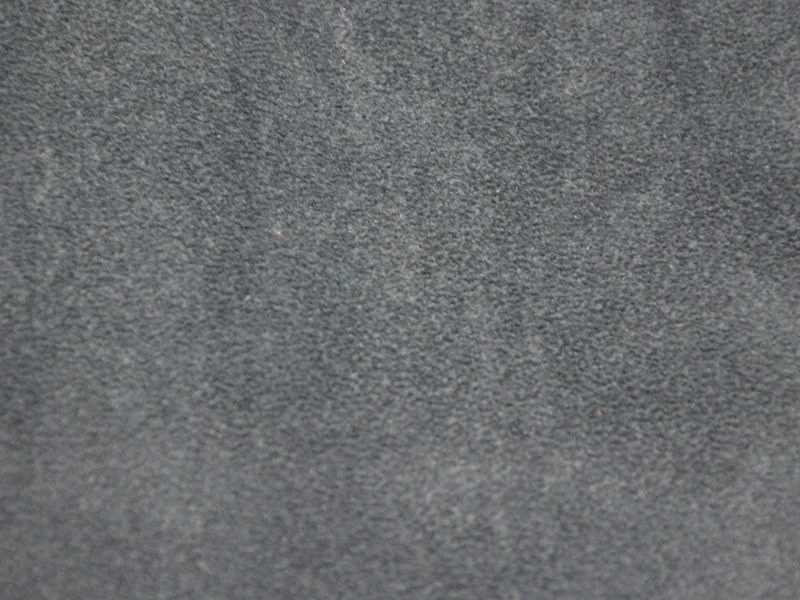
Sustainability has evolved from a secondary consideration into a core requirement in modern interior design. Today’s architects, designers, and material suppliers are expected to deliver spaces that are not only visually appealing and functional, but also environmentally responsible. As a result, eco flocking fabric is gaining attention as a versatile material that successfully combines aesthetics, durability, and sustainability.
Rather than being a short-term industry trend, eco flocking fabric reflects the growing demand for practical solutions to challenges such as resource conservation, waste reduction, stricter environmental regulations, and consumer expectations for transparent sourcing. Manufacturers like Huizhou Baolongxing Flocking Co., Ltd. are helping accelerate this shift by offering scalable and certified sustainable flocking solutions for modern interiors.
Understanding Eco Flocking Fabric
Flocking fabric is created by applying tiny fibers—commonly nylon, polyester, or rayon—onto a base material through an electrostatic flocking process. This technique produces a soft, velvet-like texture with strong visual and tactile appeal.
Eco flocking fabric follows the same production principle but introduces environmentally conscious materials and manufacturing methods. Compared with traditional flocking products, eco-friendly versions often incorporate:
-
Recycled fiber materials
-
Water-based adhesive systems
-
Energy-saving production technologies
-
Certified sustainable sourcing standards such as GRS and ISCC
These improvements allow manufacturers to reduce environmental impact while maintaining the high-performance qualities required in interior applications.
The Growing Need for Sustainable Interior Materials
Interior environments consume significant amounts of textile and decorative materials. From furniture upholstery to wall panels and acoustic surfaces, these products must meet both design and performance expectations.
Conventional materials often create sustainability concerns because they rely heavily on virgin synthetic fibers, require high energy consumption, and can be difficult to recycle after use. Eco flocking fabric offers an alternative by supporting recycled inputs, streamlined material structures, and longer product life cycles.
As more commercial and residential projects prioritize environmentally responsible construction, designers are increasingly searching for materials that align with circular design goals without limiting creativity.
Performance Benefits Beyond Sustainability
One reason eco flocking fabric is becoming more widely adopted is its ability to deliver functional advantages alongside environmental benefits.
Excellent Acoustic Properties
Flocked surfaces naturally help absorb sound, making them suitable for offices, hospitality spaces, cinemas, conference rooms, and residential interiors where noise reduction is important.
Strong Durability
Advanced flocking technology improves fiber adhesion and surface stability, allowing the material to withstand daily wear in high-traffic environments.
Flexible Design Possibilities
Eco flocking fabric can achieve a wide range of finishes, including suede-like textures, matte surfaces, and soft-touch effects. This versatility supports everything from luxury interiors to minimalist contemporary designs.
Improved Indoor Safety
When produced using compliant adhesives and controlled finishing processes, eco flocking materials can contribute to lower VOC emissions and healthier indoor air quality standards.
Certified Manufacturing Matters
In sustainable design, material claims alone are no longer enough. Architects and brands increasingly expect traceability, verified recycled content, and reliable production standards.
Huizhou Baolongxing Flocking Co., Ltd. operates with certifications including ISCC and GRS, helping ensure transparency throughout the production process. These certifications validate recycled material usage and demonstrate compliance with recognized environmental standards.
The company also maintains integrated manufacturing capabilities that support efficient production, including:
-
Advanced flocking production lines
-
Dyeing and finishing systems
-
Adhesive lamination equipment
-
Durability enhancement processing
-
Precision slitting and conversion facilities
By consolidating these processes within one manufacturing system, material waste and unnecessary transportation can be reduced, supporting a more efficient supply chain.
Efficient Supply Chains Support Sustainable Projects
Sustainability also depends on logistics efficiency. Delays, excessive transportation, and fragmented supply chains can increase environmental impact and operational costs.
Through import and export operations connected to China, Hong Kong, and Vietnam, Huizhou Baolongxing Flocking Co., Ltd. provides flexible sourcing support for international interior projects. This regional supply capability helps brands and contractors optimize delivery timelines while potentially lowering transportation-related emissions.
For large-scale commercial projects such as hotels, retail spaces, and corporate interiors, supply chain flexibility has become an increasingly important factor.
Applications of Eco Flocking Fabric in Interiors
Eco flocking fabric is suitable for far more than decorative detailing. Its durability and texture make it useful across many interior applications, including:
-
Decorative wall coverings
-
Upholstered furniture
-
Acoustic panels and dividers
-
Drawer and cabinet linings
-
Hospitality and retail interior trims
-
Soft decorative furnishings
Interior brands seeking sustainable flocking materials can also explore specialized product categories such as Eco Flocking Fabric Solutions, which showcase how recycled flocking technologies can be adapted for different design requirements.
Supporting Circular Interior Design
The future of sustainable interiors is increasingly tied to circular design principles. Materials are expected to support reuse, recycling, and long-term resource efficiency.
Eco flocking fabric aligns well with these goals because it offers:
-
Reduced reliance on virgin raw materials
-
Improved recyclability through simplified structures
-
Long-lasting surface durability
-
Transparent sourcing supported by certifications
For projects targeting ESG objectives or green building standards, these characteristics are becoming increasingly important.
A Long-Term Material Shift
Eco-friendly interior design is rapidly becoming the industry standard rather than a niche market. Materials that successfully combine sustainability, aesthetics, scalability, and durability are expected to dominate future interior projects.
Eco flocking fabric fits these requirements well. Its mature manufacturing process, broad design flexibility, and compatibility with recycled materials make it a strong candidate for widespread adoption across commercial and residential sectors alike.
Conclusion
Eco flocking fabric is helping redefine sustainable interior design by offering a balance between environmental responsibility, design flexibility, and long-term performance. As demand for greener materials continues to grow, manufacturers with certified production systems and scalable capabilities will play an increasingly important role in the industry.
Companies such as Huizhou Baolongxing Flocking Co., Ltd. demonstrate how sustainable flocking materials can be produced efficiently while meeting the evolving needs of modern interior design. In the years ahead, eco flocking fabric is likely to become not simply an alternative option, but a preferred material choice for responsible interior spaces.
www.blxflocking.com
Huizhou Baolongxing Flocking Co., Ltd.
About Author
