Fireproof Tempered Glass Price Factors Explained
5 min read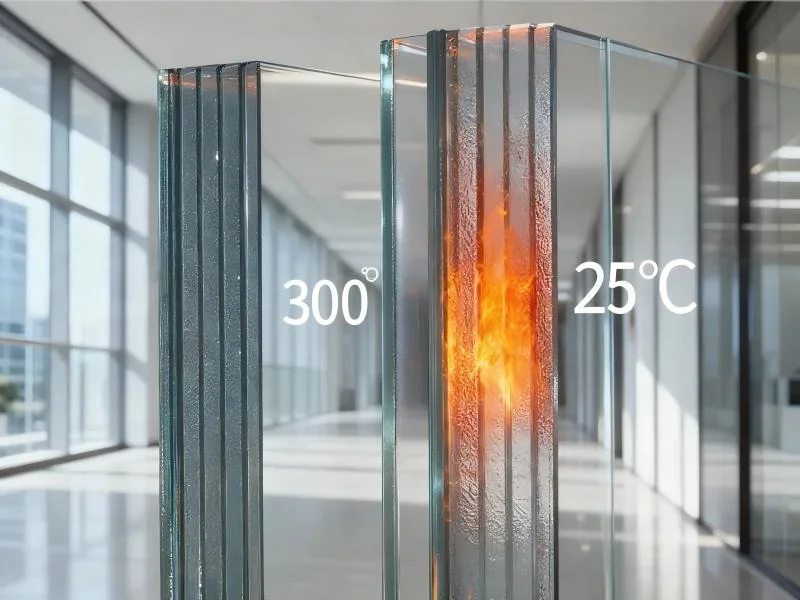
In modern construction and architectural engineering, fireproof tempered glass has become an essential material for ensuring both safety and aesthetics. It is widely used in commercial buildings, residential complexes, transportation systems, hotels, and industrial facilities due to its ability to resist high temperatures while maintaining structural integrity and transparency.
However, one of the most common questions from buyers, contractors, and project developers is: Why does fireproof tempered glass vary so much in price?
Unlike standard glass products, the pricing of fireproof tempered glass is influenced by multiple technical, material, and market-related factors. Understanding these factors is essential for making informed purchasing decisions and optimizing project budgets.
This article provides a detailed breakdown of the key elements that affect fireproof tempered glass price, helping you understand what drives cost differences and how to choose the right product for your project.
1. Glass Thickness and Its Impact on Price
One of the most important factors affecting the price of fireproof tempered glass is thickness.
1.1 Thicker Glass Means Higher Material Cost
As the thickness of fireproof tempered glass increases, more raw material is required. This directly raises production costs. Common thickness ranges include:
-
6–8 mm (light-duty applications)
-
8–12 mm (standard commercial use)
-
12–25 mm+ (heavy-duty fire protection systems)
Thicker glass not only uses more raw material but also requires more energy during the tempering process, further increasing cost.
1.2 Engineering Complexity Increases Cost
Thicker fireproof glass also requires:
-
More precise thermal control during production
-
Stronger cooling systems in tempering
-
Enhanced quality inspection procedures
As a result, thicker fireproof tempered glass is significantly more expensive than thinner variants.
2. Fire Resistance Rating Requirements
Another major pricing factor is the fire resistance rating of the glass system.
Fireproof tempered glass is typically rated based on the amount of time it can withstand fire exposure, such as:
-
30 minutes
-
60 minutes
-
90 minutes
-
120 minutes
2.1 Higher Fire Ratings Require Advanced Technology
Higher-rated fireproof glass systems require:
-
Multi-layer structures
-
Fire-resistant coatings
-
Laminated interlayers
-
Specialized sealing materials
These enhancements significantly increase production complexity and cost.
2.2 Certification and Testing Costs
Products with higher fire ratings must undergo strict testing and certification processes, which also contribute to overall pricing.
3. Raw Material Quality
The quality of raw materials used in fireproof tempered glass production plays a direct role in determining price.
3.1 High-Purity Glass Materials
Premium fireproof glass uses high-purity silica and refined raw materials, which:
-
Improve transparency
-
Enhance thermal stability
-
Reduce internal defects
Higher material quality results in higher cost.
3.2 Additives and Fire-Resistant Layers
Advanced fireproof glass often includes:
-
Ceramic coatings
-
Fire-resistant gels
-
Special interlayers
These materials significantly improve fire resistance but also increase production expenses.
4. Manufacturing Technology and Process Complexity
The production process of fireproof tempered glass is highly technical, and different manufacturing methods affect cost.
4.1 Tempering Process
The tempering process involves heating glass to extremely high temperatures and then rapidly cooling it. This requires:
-
High-energy industrial furnaces
-
Precision cooling systems
-
Strict quality control
More advanced equipment leads to higher production costs.
4.2 Multi-Layer Lamination
Many modern fireproof tempered glass systems use laminated structures. Lamination increases:
-
Fire resistance performance
-
Impact resistance
-
Acoustic insulation
However, it also increases production time and cost.
5. Glass Size and Customization
Customization is another key factor influencing price.
5.1 Standard vs Custom Sizes
Standard-sized fireproof tempered glass is cheaper because it:
-
Uses mass production techniques
-
Reduces material waste
-
Requires less processing time
Custom sizes, on the other hand, require:
-
Special cutting
-
Additional processing
-
Customized tempering cycles
This increases overall cost.
5.2 Special Shapes and Designs
Architectural projects often require:
-
Curved glass
-
Oversized panels
-
Irregular shapes
These custom designs significantly increase manufacturing complexity and pricing.
6. Fireproof Glass System vs Single Glass Panel
Many buyers mistakenly compare single glass prices instead of complete systems.
6.1 System Components Increase Cost
A full fireproof tempered glass system may include:
-
Fire-rated frames
-
Sealants and gaskets
-
Installation hardware
-
Additional protective layers
The system approach provides better safety performance but increases total cost.
6.2 Integrated Fire Protection Design
In modern buildings, fireproof glass is often part of a larger fire protection system, which adds engineering and design costs.
7. Supplier and Manufacturing Location
The origin of production significantly affects pricing.
7.1 Manufacturing Efficiency
Suppliers with advanced production lines can offer:
-
Lower production costs
-
Better quality consistency
-
Faster delivery times
7.2 Regional Cost Differences
Labor costs, energy costs, and raw material availability vary by region, directly impacting the final price of fireproof tempered glass.
8. Order Volume and Bulk Pricing
Like most industrial materials, fireproof tempered glass pricing is heavily influenced by order quantity.
8.1 Small Orders
Small orders typically have:
-
Higher unit costs
-
Less production efficiency
-
Higher setup costs per batch
8.2 Bulk Orders
Large-scale projects benefit from:
-
Lower per-unit pricing
-
Optimized production schedules
-
Reduced logistics costs
Bulk purchasing is one of the most effective ways to reduce overall project costs.
9. Installation Requirements and Project Complexity
Installation conditions also indirectly affect pricing.
9.1 High-Rise and Complex Structures
Projects such as:
-
Skyscrapers
-
Airports
-
Subway systems
require specialized installation techniques, which can increase total project cost.
9.2 Safety and Labor Requirements
Fireproof tempered glass installation must follow strict safety standards, often requiring:
-
Skilled technicians
-
Specialized equipment
-
Additional safety inspections
10. Certification and Compliance Standards
Certified fireproof tempered glass that meets international standards is more expensive due to:
-
Fire testing procedures
-
Quality assurance documentation
-
Compliance with building codes
Common standards include:
-
EN fire resistance standards
-
ASTM testing requirements
-
Local building safety regulations
11. Market Demand and Supply Conditions
Like any construction material, market conditions influence pricing.
-
High demand in construction booms increases prices
-
Supply chain disruptions can raise material costs
-
Energy price fluctuations affect production expenses
12. Additional Features and Enhancements
Optional enhancements also increase price:
-
Low-E coatings (energy efficiency)
-
UV protection layers
-
Acoustic insulation improvements
-
Smart glass integration
These features improve performance but add to overall cost.
Conclusion
The price of fireproof tempered glass is influenced by a wide range of factors, including thickness, fire rating, material quality, manufacturing technology, customization, system components, and market conditions.
It is not simply a standard product with a fixed price, but a highly engineered material designed to meet specific fire safety and architectural requirements.
When selecting fireproof tempered glass, buyers should focus not only on cost but also on:
-
Fire resistance performance
-
System compatibility
-
Project requirements
-
Long-term safety value
Ultimately, choosing the right fireproof tempered glass solution is an investment in both safety and building performance, rather than just a material purchase.
www.jxboxinglass.com
jxboxinglass
About Author