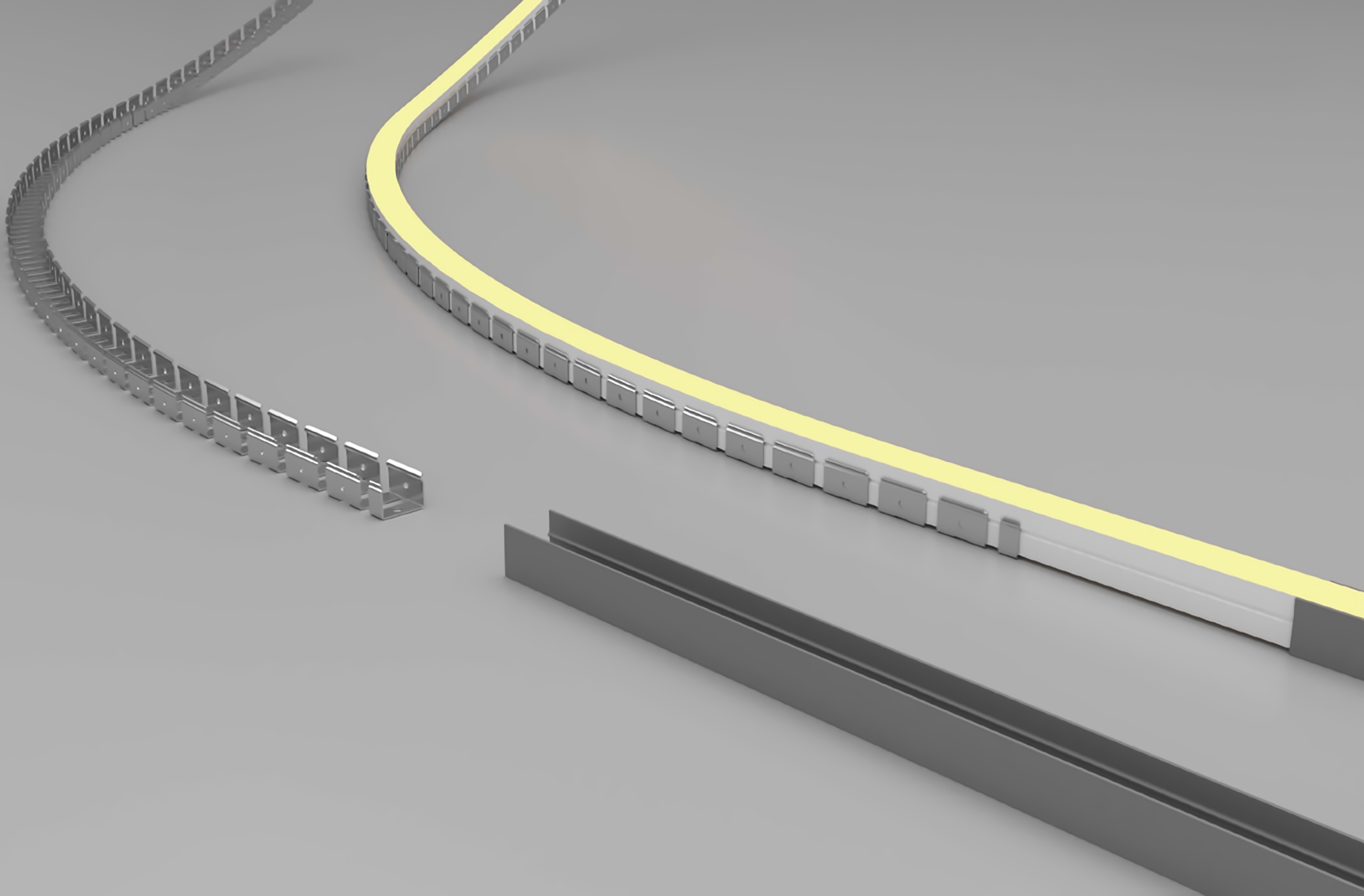
Floodlighting for Unitized Curtain Walls: Performance, Design & Solutions
6 min read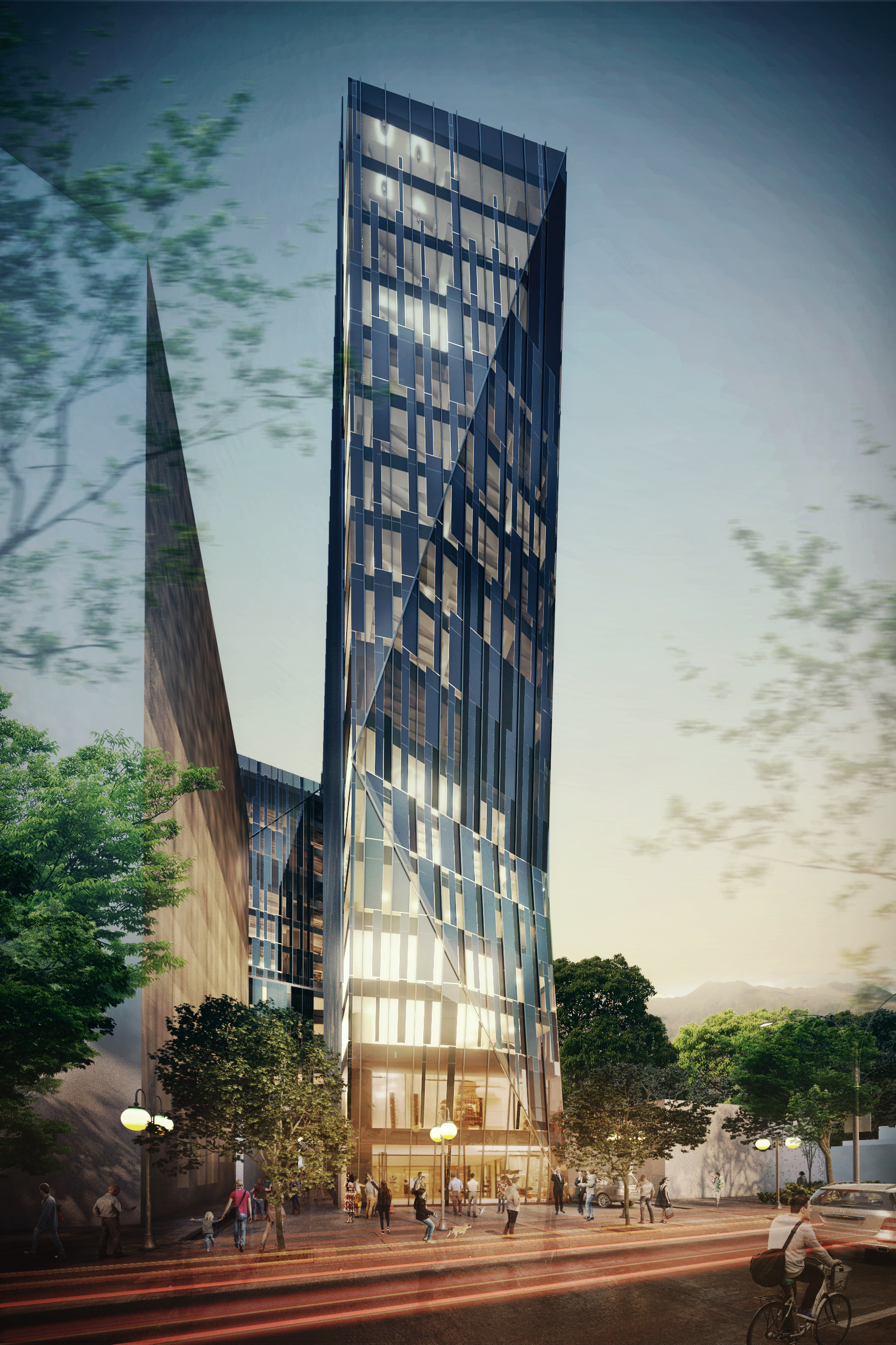
Floodlighting design for unitized curtain wall systems represents a critical intersection of architectural aesthetics, building performance, and technical engineering. As modern high-rise structures increasingly adopt unitized facade systems for their efficiency and precision, understanding how these systems interact with exterior lighting becomes essential for architects, developers, and facade engineers working on landmark projects worldwide.
Understanding Unitized Curtain Wall Systems
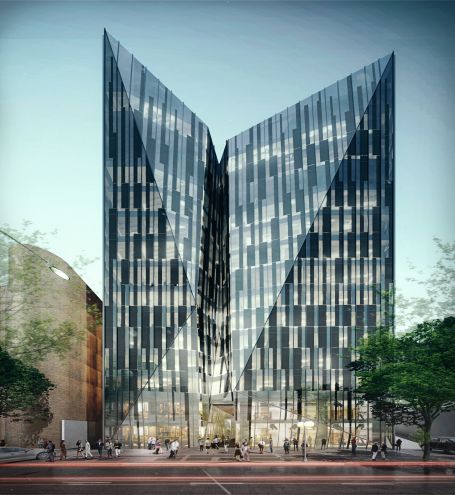
Unitized curtain walls are factory-prefabricated modular panel systems that are fully assembled and tested under controlled manufacturing conditions before delivery to construction sites. Unlike traditional stick-built systems assembled on-site, unitized panels arrive as complete units ready for rapid installation, significantly reducing construction timelines and minimizing weather exposure during facade assembly.
This manufacturing approach delivers exceptional quality control, as each panel undergoes rigorous performance testing in factory conditions. The precision-engineered components ensure consistent structural integrity, water-tightness, and air-tightness across the entire building envelope. For projects requiring exterior floodlighting, this controlled manufacturing environment allows for integrated lighting considerations during the design and fabrication phases.
Performance Requirements for Floodlit Facades
When designing floodlighting systems for unitized curtain walls, several critical performance parameters must be addressed to ensure both aesthetic impact and functional durability:
Thermal Performance Considerations: High-performance unitized systems achieve U-values as low as 1.8 W/(m²·K) according to European EN 14351-1:2006 standards, or U-factors between 0.31–0.40 under American NFRC/UL standards. Exterior floodlighting equipment must be positioned and specified to avoid creating thermal bridges or compromising the facade's insulation performance. Heat generation from lighting fixtures requires careful thermal management to prevent condensation risks and maintain energy efficiency.
Water-Tightness and Sealing Integrity: Unitized curtain walls employ advanced pressure-equalized rain screen systems that neutralize wind-driven rain pressure through sophisticated chamber designs. These systems achieve water-tightness ratings from 1000–1500Pa under EN standards, up to E1500 in tropical climates, and 700–1000Pa for Australian AS 2047 compliance. Any penetrations or attachments for lighting infrastructure must maintain these critical sealing properties through proper detailing and integration with the mullion framework.
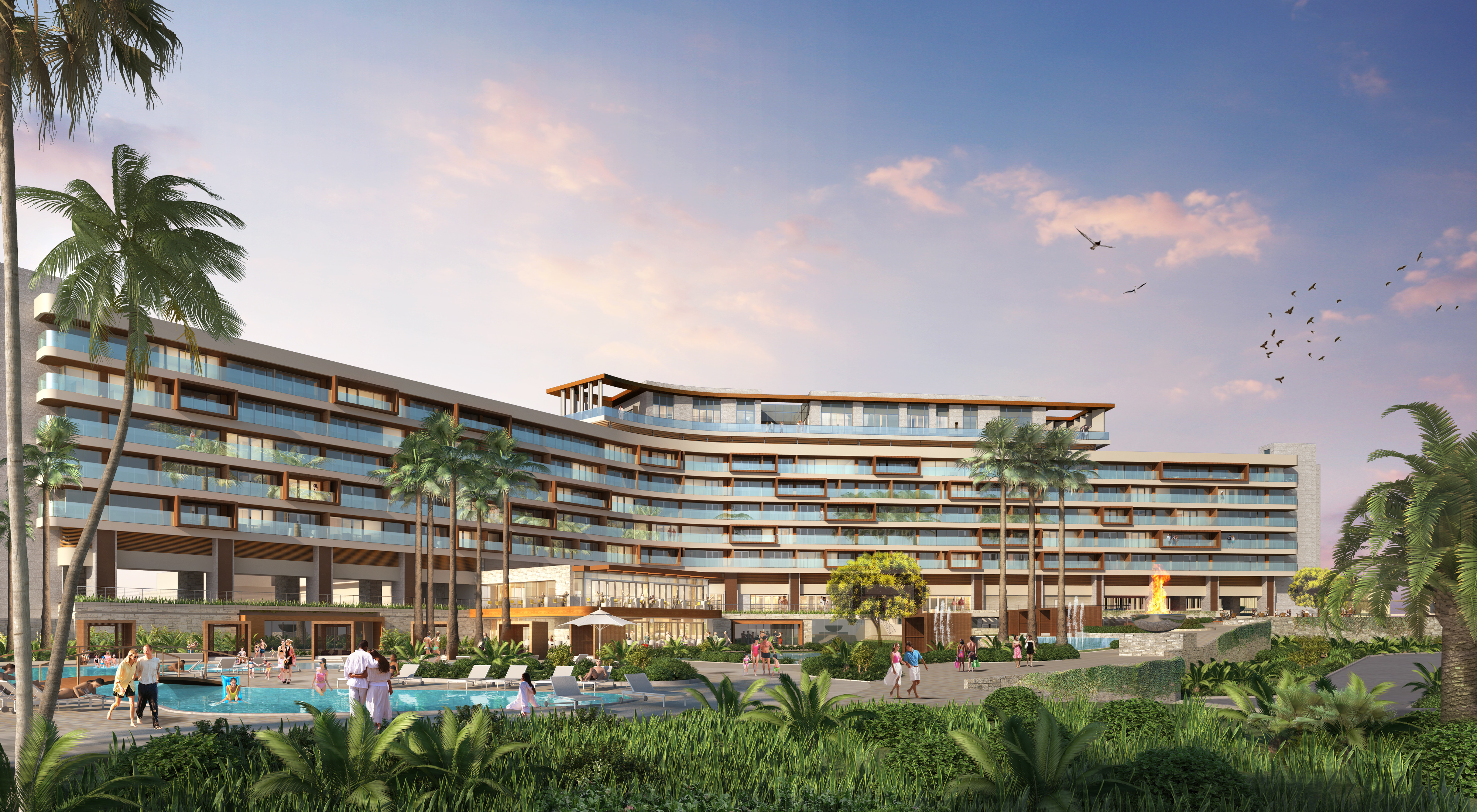
Structural Loading and Wind Resistance: Unitized panels are engineered to resist specific wind loads—Class B3 or B4 under European standards, Class N4 for Australian projects, and 1500–3000Pa for Middle Eastern coastal installations. Floodlighting equipment adds both dead load and wind resistance surface area. Structural engineering teams must perform project-specific calculations to verify that additional lighting attachments do not exceed the design capacity of the aluminum extrusions and anchoring systems.
Acoustic Performance Protection: Premium unitized systems deliver sound insulation ratings from Rw ≥ 35dB to STC 40, depending on glass configuration and regional standards. Lighting fixtures, mounting brackets, and electrical conduits must be detailed to avoid creating flanking paths that could compromise the facade's acoustic performance, particularly critical for hotels, hospitals, and residential high-rises.
Design Integration Strategies
Successful floodlighting integration with unitized curtain walls requires coordination across multiple design disciplines during the early project phases:
Early Coordination with Facade Engineering: The most effective approach involves engaging facade specialists and lighting designers simultaneously during concept development. This enables optimization of panel widths, mullion depths, and perimeter detailing to accommodate lighting equipment without compromising structural or performance requirements. Factory-controlled unitized fabrication allows for precise pre-installation of mounting provisions, eliminating the quality risks associated with field modifications.
Concealed vs. Exposed Lighting Strategies: Unitized systems offer flexibility for both concealed and exposed floodlighting approaches. Concealed installations can be integrated within the panel stackjoint zone—the vertical interface between adjacent units—or within specialized horizontal spandrel panels. Exposed fixtures may be mounted to dedicated aluminum brackets designed as part of the unitized panel assembly, ensuring proper load transfer and weather sealing.
Electrical Infrastructure Planning: Unlike stick-built systems where conduit routing can be improvised during construction, unitized facades require complete electrical infrastructure planning before fabrication begins. Conduit pathways, junction box locations, and power distribution must be coordinated with the panel module dimensions and installation sequence. This precision planning eliminates costly field coordination issues and ensures code-compliant installations.
Material Compatibility and Durability: Floodlighting hardware exposed to exterior conditions must resist the same environmental stresses as the curtain wall itself—UV degradation, thermal cycling, salt spray in coastal environments, and galvanic corrosion between dissimilar metals. Lighting components should meet similar durability testing standards as facade materials, particularly in harsh climates where unitized systems already demonstrate superior longevity through their precision-sealed construction.
Regional Standards and Global Applications
Unitized curtain wall systems manufactured by specialized facade technology companies like Hwarrior Curtain Wall Technology (Guangdong) Co., Ltd. are engineered to comply with diverse international building codes and performance certifications. This global compliance framework directly impacts floodlighting design requirements:
For European projects operating under EN standards, lighting installations must align with CE marking requirements and maintain the facade's tested classification for air-tightness, water-tightness, and wind resistance. American projects require UL-certified electrical components and compliance with ASTM testing protocols, while Australian installations must meet AS 2047 and AS 4040 requirements for structural adequacy and weather performance.
In Middle Eastern applications, where unitized systems must withstand extreme temperatures and achieve thermal transmittance values of U ≤ 2.1 W/(m²·K), floodlighting equipment must be specified for high-temperature operation without degrading facade performance. Similarly, Southeast Asian projects following Singapore SS 212 standards require lighting systems that maintain water-tightness ratings of E1000 or E1500 in high-humidity, tropical storm conditions.
Hwarrior's Technical Capabilities for Integrated Solutions
Addressing the complex requirements of floodlit unitized curtain walls demands advanced technical capabilities throughout the design-fabricate-install process. Hwarrior Curtain Wall Technology combines several critical competencies that enable successful lighting integration:
High-Precision CNC Machining: Advanced multi-axis CNC technology enables micron-level precision in manufacturing custom aluminum extrusions with integrated lighting provisions. This ensures seamless fit and structural integrity for lighting brackets, conduit channels, and mounting provisions embedded within the unitized panel framework.
Smart Manufacturing and Quality Control: Leveraging automated production lines with real-time quality monitoring, intelligent manufacturing systems ensure consistent fabrication of lighting-integrated panels. Digital traceability systems track each component from raw material through finished assembly, critical for maintaining performance certifications when panels include custom lighting infrastructure.
Structural Engineering and Code-Compliant Calculations: In-house engineering teams perform project-specific structural analysis including wind load simulation, seismic resistance verification, and deflection control—accounting for additional loads imposed by exterior lighting equipment. These calculations ensure full compliance with EN, AS, UL, SASO, and other international standards while maintaining architectural design intent.
Comprehensive Testing Capabilities: Factory-based performance testing validates that lighting-integrated unitized panels maintain required ratings for air-tightness, water-tightness, structural performance, and thermal efficiency. This pre-installation verification eliminates the performance uncertainties inherent in field-modified facade systems.
Practical Considerations for Project Teams
For architects, developers, and general contractors planning floodlit high-rise facades, several practical factors warrant early attention:
Establish lighting requirements during schematic design, not during construction documentation, to allow proper integration with unitized panel engineering. Coordinate module dimensions with lighting fixture spacing to optimize both aesthetic rhythm and structural efficiency. Specify maintenance access strategies for lighting equipment replacement without requiring specialized facade access equipment. Budget for the engineering coordination and custom fabrication associated with lighting-integrated unitized panels, recognizing that factory integration delivers long-term value through superior performance and reduced field labor.
Conclusion
Floodlighting design for unitized curtain wall systems demands sophisticated coordination between architectural vision, lighting design, facade engineering, and precision manufacturing. The factory-controlled fabrication process inherent to unitized systems offers significant advantages for integrating exterior lighting—enabling precision mounting provisions, verified performance testing, and superior long-term durability compared to field-modified installations.
Specialized facade technology providers with comprehensive capabilities in structural engineering, intelligent manufacturing, and global standards compliance deliver the technical foundation necessary for successful floodlit unitized facades on landmark projects worldwide. As high-rise construction continues to favor unitized systems for their speed, quality, and performance advantages, integrated lighting solutions will increasingly define the aesthetic and functional success of modern architectural facades.
https://www.hwarrior.com/
HWARRIOR PTE LTD (SINGAPORE)
About Author