Solar Farms' Connectivity Challenge: Why 4G/5G Industrial Routers Matter
5 min read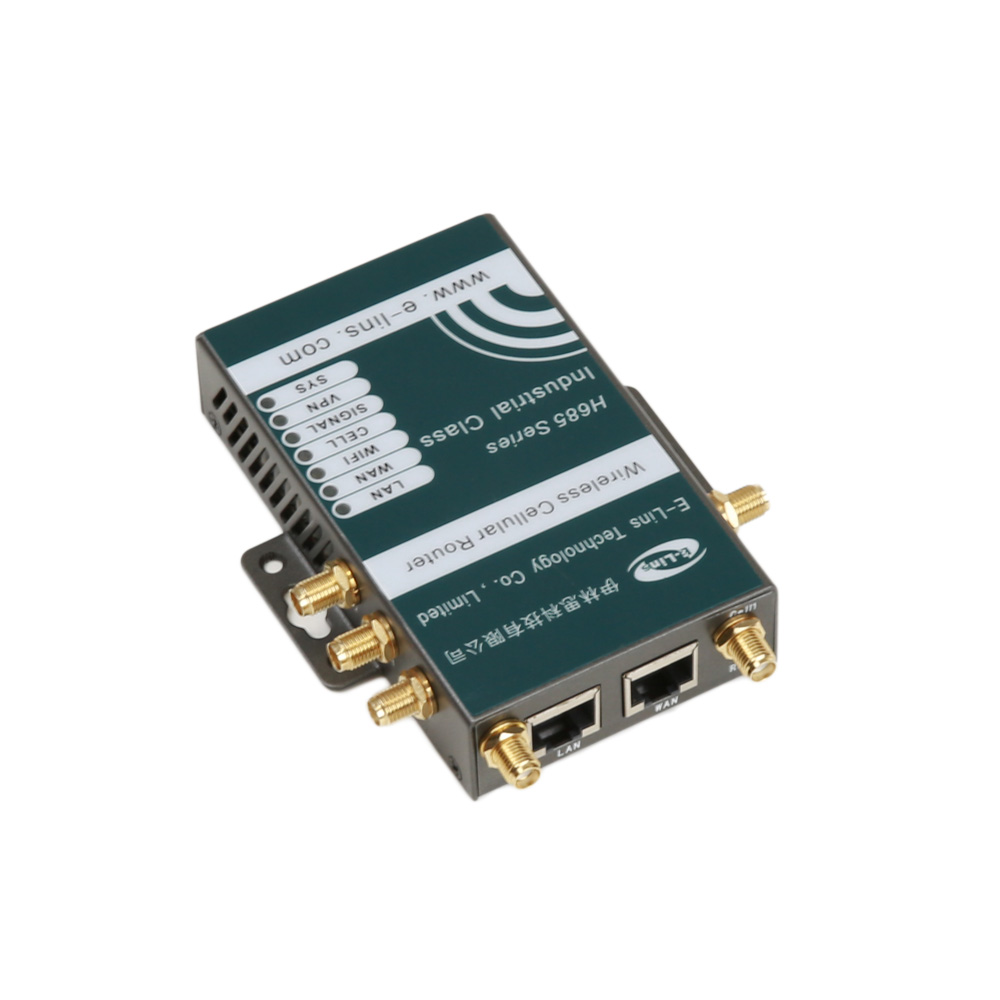
As renewable energy infrastructure expands globally, solar farms face a critical yet often overlooked challenge: establishing reliable internet connectivity across vast, remote installations. The unique operational environment of photovoltaic power stations—spanning hundreds of acres in isolated locations with extreme weather exposure—demands specialised networking solutions that traditional consumer-grade equipment simply cannot provide.
The Connectivity Dilemma in Solar Energy Operations
Solar farms generate enormous volumes of operational data that must be transmitted in real-time to central monitoring systems. Performance metrics from thousands of solar panels, inverter status reports, weather station readings, and security camera feeds all require continuous, stable internet connections. However, these installations typically occupy remote terrain far from urban fibre-optic infrastructure, where wired broadband access remains economically impractical or physically impossible.
The harsh realities of solar farm environments compound this challenge. Equipment must withstand temperature extremes ranging from desert heat exceeding 65°C to sub-zero winter conditions, while enduring dust storms, humidity fluctuations, and intense solar radiation. Conventional networking hardware designed for climate-controlled office environments frequently fails under these conditions, leading to data transmission interruptions that can cost operators thousands of dollars in lost visibility and delayed maintenance responses.
Industrial Cellular Routers: The Backbone of Solar Farm Connectivity
The industry has increasingly turned to industrial cellular routers as the optimal solution for solar farm internet connectivity. Unlike consumer Wi-Fi routers or standard modems, these specialised devices leverage 4G LTE and 5G cellular networks to establish wireless broadband connections without requiring physical cable infrastructure.
What distinguishes industrial cellular routers from ordinary networking equipment lies in their fundamental design philosophy. These devices employ industrial-grade components engineered specifically for unattended operation in extreme conditions. Advanced thermal management systems, ruggedised enclosures with IP65+ ingress protection ratings, and wide operating temperature ranges enable continuous operation where conventional equipment would fail within weeks.
Critical Technical Requirements for Solar Applications
Several technical specifications prove essential when selecting cellular routers for photovoltaic installations:
Temperature resilience stands paramount. Equipment must function reliably across temperature ranges spanning from -35°C to +75°C, accommodating both winter freezes and the intense heat generated by solar arrays during peak sunshine hours. Routers lacking genuine industrial-grade thermal design experience accelerated component degradation and frequent connectivity failures.
Electrostatic discharge protection becomes critical in open-field environments where lightning strikes and static buildup pose constant threats. Industrial routers with 15KV ESD protection and 1.5KV electromagnetic isolation significantly reduce equipment damage from electrical transients that routinely destroy unprotected devices.
Connection redundancy ensures continuous operation even when primary network links fail. Advanced cellular routers support dual SIM card configurations with automatic failover, switching between cellular carriers within seconds when signal degradation occurs. This capability proves invaluable in remote locations where single-carrier coverage may be intermittent.
Remote management capabilities directly impact operational costs. Solar farms often employ minimal on-site staff, making physical equipment access both time-consuming and expensive. Routers supporting centralised management platforms enable technicians to remotely configure devices, diagnose connectivity issues, update firmware, and monitor performance metrics without dispatching personnel to remote sites—reducing maintenance costs by 40% or more in typical deployments.
How E-Lins Technology Addresses Solar Farm Connectivity
Shenzhen E-Lins Technology Co., Ltd. has established itself as a specialised provider of industrial-grade M2M and IoT wireless communication equipment, with particular relevance to renewable energy sector requirements. The company's two decades of experience in industrial wireless data communication have produced solutions specifically engineered for the challenges solar operators face.
The company's approach centres on genuine industrial hardware construction. E-Lins industrial routers utilise industrial-grade chipsets and components rated for the full -35°C to +75°C temperature range that solar installations experience. This foundational design decision, combined with 15KV ESD protection, enables equipment online rates exceeding 99.5%—a critical threshold for installations where even brief connectivity losses can delay critical fault detection.
Independently developed firmware represents another key differentiator. Rather than relying on generic Linux distributions that may contain unnecessary services and potential security vulnerabilities, E-Lins develops 100% proprietary system software optimised specifically for stability and reliability in industrial applications. This focused approach reduces disconnection incidents and eliminates software vulnerabilities common in repurposed consumer-grade firmware.
For solar farm applications, models like the H900 Gigabit Industrial 4G Router provide particularly relevant capabilities. Its five Gigabit Ethernet ports accommodate multiple networked devices—inverters, weather stations, security cameras, and monitoring equipment—through a single cellular uplink. The triple-link backup capability (cellular, wired, and WiFi) ensures continuous connectivity even when individual network paths fail, addressing the "always-on" requirement critical for real-time performance monitoring.
Remote and distributed solar installations benefit from the H685f/H685 Mini Embedded Series, which measures just 100×60×21mm. This ultra-compact footprint enables integration directly into inverter control panels and monitoring equipment enclosures, eliminating the need for separate networking equipment housings while maintaining full industrial-grade performance specifications.
Quantified Performance in Power and Energy Applications
Real-world deployments in the power and energy sector validate the effectiveness of purpose-built industrial cellular solutions. In one documented carrier-grade infrastructure project with an Indian telecom operator, E-Lins equipment achieved a 99.4% equipment online rate across 100,000 deployed units operating in areas with unstable power grids and extreme temperatures reaching 48°C. Per-site maintenance costs decreased by 53%, while batch management efficiency improved by 82% through centralised remote management capabilities.
These metrics translate directly to solar farm operations, where similar environmental challenges and distributed deployment models prevail. The ability to remotely diagnose and resolve 90% of connectivity issues without dispatching technicians—as demonstrated in European aviation ground support applications—offers comparable cost savings for solar operators managing installations across multiple sites.
Implementation Considerations and Best Practices
Successful solar farm connectivity implementation requires attention to several practical factors beyond equipment selection. Cellular signal strength surveys should precede equipment procurement, identifying optimal carrier networks and antenna placement locations across the installation site. External high-gain antennas, such as the 14dBi antennas integrated into specialised outdoor models, significantly improve reception in remote locations with marginal cellular coverage.
VPN encryption deserves particular emphasis for solar farm applications. Production data and control commands transmitted between field equipment and central SCADA systems require protection from interception and tampering. Support for advanced protocols like WireGuard, IPsec, and OpenVPN ensures data security meeting enterprise and financial-grade standards, preventing potential cyber threats that could compromise grid stability or expose proprietary operational data.
Power supply configuration also warrants careful planning. While many industrial routers support wide voltage input ranges (5V-55V), accommodating variable power conditions, solar installations may benefit from Power over Ethernet (PoE) capabilities that simplify cabling by delivering both data connectivity and electrical power through single Ethernet cables to cameras, sensors, and other networked devices.
The Path Forward for Solar Connectivity
As solar energy capacity continues expanding globally, the networking infrastructure supporting these installations must evolve beyond makeshift consumer equipment toward purpose-engineered industrial solutions. The 68% failure rate plaguing industrial IoT projects—driven largely by network instability and inadequate hardware for extreme environments—demonstrates the cost of inappropriate technology choices.
Industrial cellular routers represent not merely an incremental improvement but a fundamental shift toward reliable, maintainable connectivity infrastructure matched to solar farm operational realities. When properly specified and deployed, these specialised devices transform network connectivity from a persistent operational headache into a stable foundation enabling the real-time monitoring, predictive maintenance, and operational optimisation that modern solar installations require.
For solar farm operators evaluating connectivity solutions, prioritising genuine industrial-grade construction, proven temperature resilience, comprehensive remote management capabilities, and demonstrated performance in comparable power sector applications offers the clearest path to achieving the 99.5%+ uptime rates that utility-scale renewable energy operations demand.
https://e-lins.com/
Shenzhen E-Lins Technology Co., Ltd.
About Author