Choosing the Right Oscillator: A Technical Comparison Guide
5 min read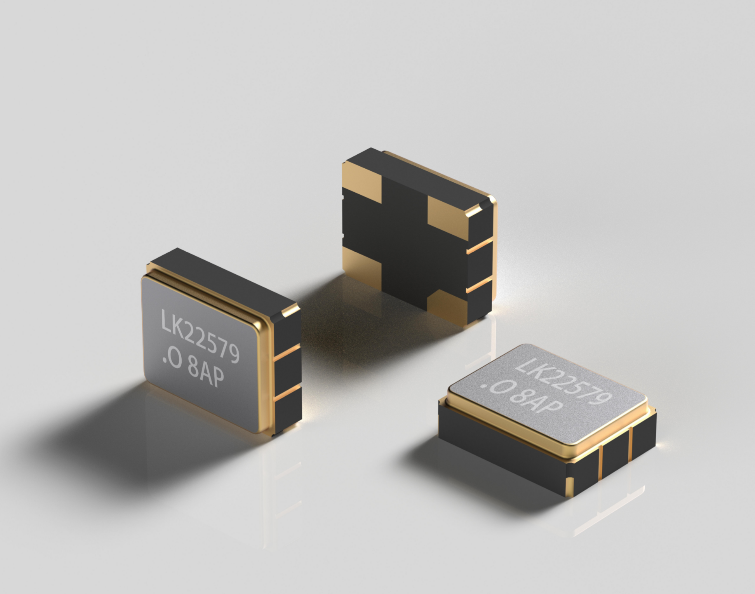
In today’s advanced electronic landscape, oscillators play a vital role in ensuring accurate timing and stable system operation. Whether used in wireless communication equipment, industrial automation, automotive electronics, or cloud computing infrastructure, oscillators generate the reference signals needed to synchronize electronic circuits and maintain reliable performance.
Choosing the correct oscillator directly affects system precision, signal quality, and long-term operational stability. Engineers must evaluate multiple factors such as temperature performance, frequency accuracy, package size, and energy efficiency before selecting a suitable solution.
Why Oscillators Matter in Electronic Design
An oscillator is an electronic timing device that continuously produces periodic electrical signals, commonly square waves or sine waves. These timing signals function as clock references for both digital and analog systems.
Oscillators are widely applied in:
-
Satellite positioning systems
-
Wireless communication infrastructure
-
Cloud servers and data centers
-
Artificial intelligence equipment
-
Autonomous driving platforms
-
Smart home electronics
-
Medical devices
-
Industrial control systems
-
Renewable energy equipment
-
Consumer electronics
As electronic systems become faster and more connected, the demand for high-performance frequency control devices continues to increase.
Companies such as LUCKI ELECTRONIC have continuously advanced oscillator technology through years of research and manufacturing expertise. Their product portfolio includes both SMD and through-hole oscillators used across telecommunications, smart infrastructure, industrial automation, and intelligent electronic systems.
Main Types of Oscillators
Understanding the characteristics of each oscillator category is essential when selecting the right component.
Crystal Oscillator (XO)
Crystal oscillators are among the most commonly used frequency control devices. They use quartz crystal resonance to produce stable output frequencies.
Main advantages include:
-
Good frequency stability
-
Cost-effective design
-
Small footprint
-
Low power requirements
These oscillators are widely used in embedded systems, communication devices, and everyday electronics.
However, standard XOs may experience noticeable frequency variation when exposed to changing temperatures.
Voltage-Controlled Crystal Oscillator (VCXO)
VCXOs allow frequency adjustment through an external control voltage, making them ideal for systems requiring synchronization or tuning functions.
Typical applications include:
-
PLL circuits
-
Digital broadcasting systems
-
Network synchronization
-
Communication equipment
VCXOs provide adjustable frequency control while maintaining relatively stable operation.
Temperature-Compensated Crystal Oscillator (TCXO)
Temperature changes can significantly influence oscillator accuracy. TCXOs address this issue by using compensation circuits that automatically correct frequency deviations.
Benefits include:
-
Improved temperature stability
-
Better frequency accuracy
-
Reliable outdoor performance
TCXOs are commonly found in:
-
GPS modules
-
Mobile communication systems
-
Automotive electronics
-
IoT devices
They provide an excellent balance between stability, compact size, and power efficiency.
Oven-Controlled Crystal Oscillator (OCXO)
OCXOs achieve extremely high precision by maintaining the quartz crystal at a constant internal temperature using a miniature heating system.
Key features include:
-
Exceptional frequency stability
-
Extremely low drift
-
Superior long-term accuracy
They are commonly used in:
-
Telecom base stations
-
Aerospace and defense systems
-
Precision testing instruments
-
Measurement equipment
The trade-off is higher power consumption, increased size, and greater design complexity.
Critical Factors When Selecting an Oscillator
1. Frequency Stability
Frequency stability measures how much the oscillator output changes over time or under varying environmental conditions.
Typical stability ranges include:
-
Standard XO: ±50 ppm or greater
-
TCXO: ±0.5 to ±2.5 ppm
-
OCXO: ±0.01 ppm or better
Applications involving telecommunications, navigation, and precision measurement often require TCXO or OCXO solutions.
2. Temperature Range
Environmental conditions heavily affect oscillator performance.
Typical operating ranges include:
-
Consumer electronics: 0°C to 70°C
-
Industrial systems: –40°C to 85°C
-
Automotive electronics: –40°C to 125°C
TCXO and OCXO devices are specifically designed to maintain stable operation under challenging temperature conditions.
3. Phase Noise Performance
Phase noise refers to rapid short-term fluctuations in signal frequency. Low phase noise is critical for:
-
RF communication systems
-
Radar equipment
-
High-speed networking
-
Precision instrumentation
Lower phase noise improves signal purity and overall system reliability.
4. Power Consumption
Energy efficiency is especially important for portable and battery-powered electronics.
General power characteristics:
-
XO: very low power usage
-
TCXO: moderate power demand
-
OCXO: relatively high power usage due to heating mechanisms
Designers must carefully balance stability requirements against energy consumption targets.
5. Package Dimensions
Modern electronics increasingly require miniaturized components. Surface-mount oscillators help optimize PCB layouts and reduce device size.
Common package dimensions include:
-
7.0 × 5.0 mm
-
5.0 × 3.2 mm
-
3.2 × 2.5 mm
-
2.0 × 1.6 mm
Compact packages are especially valuable in mobile devices, wearables, and embedded systems.
Oscillator Selection by Industry
Telecommunications
Network infrastructure relies on precise synchronization to maintain stable communication.
High-performance TCXO and OCXO products are frequently used because of their excellent stability and low phase noise characteristics.
Data Centers and Cloud Computing
Servers and high-speed computing systems require accurate timing for data transmission and synchronization.
Oscillators used in these environments must provide low jitter and long-term reliability.
Automotive Systems
Modern vehicles integrate navigation, advanced driver assistance systems, and vehicle communication technologies.
TCXO solutions are often preferred because they combine compact design with wide-temperature reliability.
Industrial Automation
Industrial environments may expose electronics to vibration, temperature fluctuations, and harsh operating conditions.
Reliable oscillator designs with strong environmental resistance are essential for maintaining stable control systems.
Why Manufacturer Expertise Matters
Beyond selecting the right oscillator type, choosing a dependable manufacturer is equally important.
LUCKI ELECTRONIC has established itself as a trusted producer of quartz crystals, oscillators, and ceramic resonators. The company offers a comprehensive range of VCXO, TCXO, and OCXO products for industries such as telecommunications, artificial intelligence, autonomous driving, medical technology, industrial automation, and smart home systems.
With decades of manufacturing experience and a global customer base spanning more than 50 countries and regions, LUCKI® continues to provide advanced frequency control solutions designed for demanding modern applications.
For more technical details about available products, visit:
oscillator product solutions
Emerging Trends in Oscillator Technology
Several major developments are driving the future of oscillator design.
Miniaturization
Smaller oscillator packages support compact electronics including wearable devices and smart sensors.
Higher Precision
Advanced materials and compensation technologies are improving long-term frequency accuracy and environmental stability.
Energy Efficiency
Low-power oscillators are becoming increasingly important for IoT systems and portable electronics.
Greater System Integration
Oscillators are gradually being integrated into larger electronic modules to simplify system design and reduce component counts.
Manufacturers that continue investing in research and innovation will remain at the forefront of next-generation timing technology.
Conclusion
Oscillators are fundamental components that provide the timing foundation for modern electronic systems. Selecting the ideal oscillator involves evaluating multiple factors including frequency stability, environmental tolerance, phase noise, power consumption, and physical size.
Standard crystal oscillators offer economical solutions for general applications, while VCXO products support adjustable frequency control. TCXO devices improve performance in temperature-sensitive environments, and OCXO solutions deliver ultra-precise timing for high-end infrastructure and measurement systems.
By understanding the strengths of each oscillator type and matching them to application requirements, engineers can achieve reliable, accurate, and efficient system performance.
Partnering with experienced manufacturers like LUCKI ELECTRONIC also helps ensure access to dependable, high-quality timing solutions built for the evolving demands of modern electronics.
www.cnlucki.com
LUCKI ELECTRONIC(LUCKI®)
About Author