How the 2.15M Prism Rod Enhances Surveying Accuracy
5 min read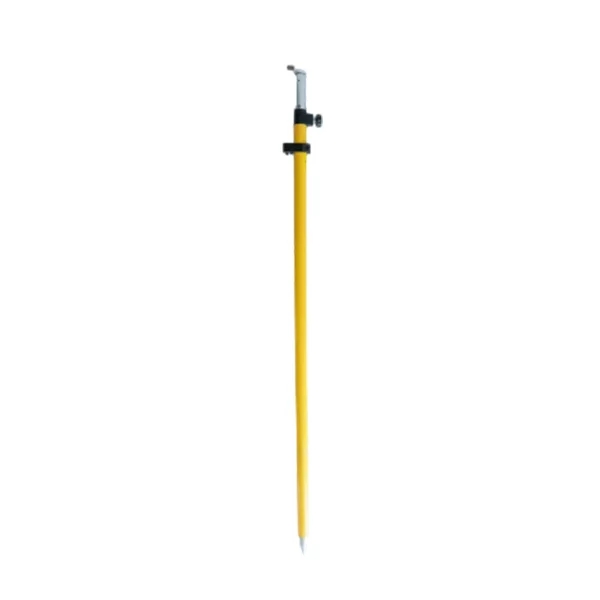
In modern surveying, accuracy is not a luxury—it is the foundation of every reliable measurement, map, and construction decision. As surveying projects become more complex and time-sensitive, professionals increasingly depend on equipment that delivers stable performance in real-world conditions. Among these tools, the prism rod plays a critical role in ensuring measurement precision. The 2.15M prism rod, in particular, has become a preferred choice for many surveyors due to its balance of height, stability, and adaptability across diverse applications.
This article explores how a 2.15M prism rod enhances surveying accuracy, the technical factors that matter most in daily fieldwork, and why equipment quality remains a decisive factor for long-term measurement reliability.
Why Prism Rod Accuracy Matters in Surveying
A prism rod may look simple, but its performance directly affects the quality of total station and GNSS measurements. Any deviation in rod straightness, height calibration, or locking stability can introduce cumulative errors—especially in high-precision control surveys, construction layout, and infrastructure projects.
Key accuracy challenges surveyors face include:
-
Rod flex or bending under load
-
Inconsistent height markings
-
Poor locking mechanisms causing height drift
-
Unstable base or tip alignment
-
Environmental stress from wind, temperature, and repeated use
A well-designed 2.15M prism rod addresses these challenges by combining structural strength, precise manufacturing, and user-friendly design.
The Advantage of the 2.15M Height Configuration
The 2.15-meter height has proven to be a practical standard for many surveying scenarios. It provides sufficient elevation for line-of-sight measurements while maintaining manageable handling in confined or uneven terrain.
Compared with shorter rods, a 2.15M prism rod allows:
-
Improved visibility over obstacles such as vegetation or curbs
-
More consistent prism centering in long-distance measurements
-
Reduced need for frequent repositioning
Compared with taller rods, it offers:
-
Better balance and reduced sway in windy conditions
-
Easier transport and setup
-
Lower operator fatigue during long workdays
This balance makes the 2.15M prism rod suitable for topographic surveys, road engineering, construction staking, and control point establishment.
Structural Stability and Material Quality
Accuracy starts with structure. A prism rod must remain straight and stable under real working conditions. Even minor deformation can shift prism position and compromise data quality.
High-quality 2.15M prism rods are typically manufactured using aluminum alloys or carbon fiber composites, each with specific advantages:
-
Aluminum alloy rods provide strong rigidity and durability for rugged environments
-
Carbon fiber rods offer lightweight handling with excellent resistance to thermal expansion
Material consistency ensures that the rod maintains its geometry over time, even after repeated transport, setup, and exposure to outdoor conditions.
Precision Height Markings and Calibration
Height accuracy depends not only on total station calibration but also on the prism rod itself. Clear, permanent, and accurately calibrated height markings are essential.
A reliable 2.15M prism rod features:
-
Laser-etched or high-contrast scale markings
-
Consistent metric measurement increments
-
Factory-calibrated reference points
These details reduce reading errors and eliminate guesswork, especially when multiple operators are working on the same project. Consistent height reference also improves data repeatability across different survey sessions.
Locking Mechanisms That Prevent Measurement Drift
One of the most common sources of field error is height slippage during measurement. Poor locking systems allow subtle movement that may go unnoticed until data is processed.
Well-engineered 2.15M prism rods use:
-
Secure clamp or twist-lock mechanisms
-
Even pressure distribution along the rod section
-
Long-term wear resistance
This ensures the prism height remains fixed throughout the measurement process, even when the rod is repositioned multiple times.
Compatibility with Modern Surveying Instruments
Modern surveying often integrates multiple systems: total stations, RTK GNSS receivers, and digital data collectors. A 2.15M prism rod must be compatible with a wide range of accessories.
Key compatibility considerations include:
-
Standard thread interfaces for prisms and GNSS mounts
-
Interchangeable tips for different ground conditions
-
Easy integration with bipods or support brackets
This flexibility allows surveyors to switch between instruments without changing core equipment, improving efficiency and reducing setup time.
Practical Field Performance in Challenging Conditions
Surveying rarely happens in ideal environments. Uneven terrain, wind, temperature changes, and time pressure are constant factors. A dependable 2.15M prism rod supports accuracy under these conditions by offering:
-
Balanced weight distribution to reduce sway
-
Stable base contact for consistent centering
-
Resistance to corrosion and wear
These features help surveyors maintain precision even during long working hours or repeated daily use.
The Role of Manufacturing Experience and Quality Control
Equipment performance is not defined by design alone—it depends heavily on manufacturing consistency and quality control. Hangzhou Runhe Surveying Instrument Co., Ltd. brings decades of experience to this process.
Originally founded in 1980 as Hangzhou Tianmu Surveying Equipment Factory, the company has evolved into a professional manufacturer specializing in surveying instruments and accessories. Its core product range includes tripods, leveling staffs, plumb rods and brackets, as well as carbon fiber rods designed specifically for RTK applications.
Runhe Surveying has built its reputation through strict quality control, practical product design, and attentive service. By working closely with customers, the company continuously refines its products to meet real operational needs. The guiding philosophy—bold exploration, quality first, and meeting new user demands—reflects a long-term commitment to reliable field performance rather than short-term trends.
Application Scenarios Where a 2.15M Prism Rod Excels
A 2.15M prism rod is particularly effective in:
-
Construction layout where repeated accuracy is critical
-
Road and bridge surveying requiring stable long-distance measurements
-
Topographic mapping across uneven terrain
-
Urban infrastructure projects with line-of-sight challenges
In these scenarios, the combination of height, rigidity, and ease of use directly translates into better data quality and smoother workflows.
Choosing the Right 2.15M Prism Rod
When selecting a prism rod, surveyors should consider more than basic specifications. Practical questions include:
-
Does the rod remain stable in wind?
-
Are height markings easy to read in low light?
-
Do locking mechanisms hold after extended use?
-
Is the rod compatible with existing equipment?
For those looking to explore detailed specifications and application information, the 2.15M prism rod can be viewed here:<a href="https://www.runhesurveying.com/2-15M-Prism-rod">2.15M Prism Rod</a>
Conclusion
Surveying accuracy depends on the smallest details, and the prism rod is one of the most influential components in the measurement chain. A well-designed 2.15M prism rod enhances accuracy by providing structural stability, precise height control, and dependable performance in real-world conditions.
Backed by decades of manufacturing experience and a strong commitment to quality, Hangzhou Runhe Surveying Instrument Co., Ltd. continues to support surveyors with practical, reliable equipment. As projects grow more demanding, choosing the right tools—starting with a dependable prism rod—remains one of the smartest investments a surveying professional can make.
www.runhesurveying.com
Hangzhou Runhe Surveying Instrument Co., Ltd.
About Author