How to Select the Right 3 Position Pneumatic Actuator for Ball Valves and Butterfly Valves
3 min read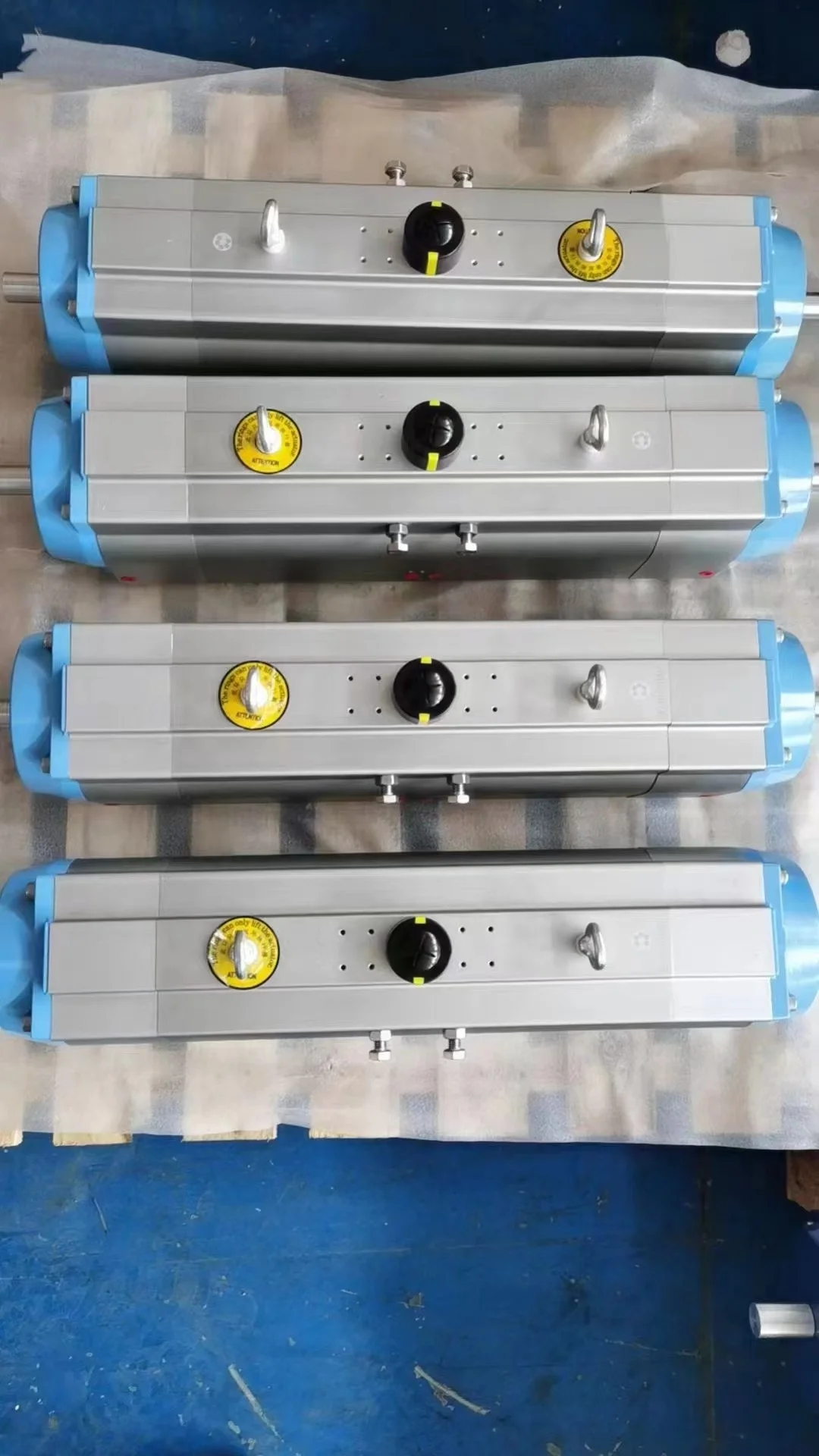
Valve automation has become a critical part of modern industrial operations. Whether controlling water flow, chemical transfer, compressed air distribution, or process media, automated valves help improve efficiency, safety, and operational consistency.
While standard pneumatic actuators remain widely used, many applications require more flexibility than simple open-and-close functionality. This is where the 3 position pneumatic actuator delivers significant advantages.
The ability to stop a valve at a predefined intermediate position creates new opportunities for process optimization while avoiding the complexity associated with fully modulating control systems.
Why Traditional On-Off Control Is Sometimes Insufficient
Many industrial systems experience varying flow demands throughout production cycles.
For example:
A cooling water system may require maximum flow during startup but reduced flow during steady-state operation.
A chemical process may require partial flow during mixing and full flow during transfer.
A steam distribution network may benefit from different operating modes depending on production schedules.
In these situations, standard actuators can only provide two operating states, forcing operators to rely on additional equipment to achieve process flexibility.
A 3 position pneumatic actuator addresses this challenge by introducing a third operating position.
Understanding Torque Requirements
One of the most important factors when selecting an actuator is torque.
Insufficient torque can result in:
-
Incomplete valve operation
-
Reduced service life
-
Process interruptions
-
Increased maintenance requirements
The required actuator torque depends on:
-
Valve type
-
Valve size
-
Operating pressure
-
Media characteristics
-
Frequency of operation
Butterfly valves generally require different torque characteristics than ball valves, particularly when handling viscous or abrasive media.
Selecting an actuator with adequate torque reserve improves operational reliability.
Matching the Actuator to the Valve
The actuator and valve must function as an integrated system.
For ball valves, the actuator should provide smooth rotational movement with sufficient breakout torque.
For butterfly valves, attention should be given to seating torque and differential pressure conditions.
Proper mounting standards, shaft dimensions, and flange compatibility are essential for ensuring reliable installation and operation.
Environmental Considerations
Industrial operating environments vary significantly.
Applications may involve:
-
High humidity
-
Corrosive chemicals
-
Outdoor exposure
-
High-temperature conditions
-
Dust-intensive environments
Selecting actuator materials appropriate for the operating environment can significantly extend service life.
Stainless steel actuator options are often preferred for corrosive environments, while specialized coatings may be beneficial in offshore and chemical applications.
Control Accessories That Improve Performance
The performance of a 3 position pneumatic actuator can be enhanced through the use of automation accessories.
These may include:
-
Solenoid valves
-
Limit switch boxes
-
Position indicators
-
Air filter regulators
-
Manual override devices
-
Position feedback systems
Together, these components create a complete valve automation package capable of supporting modern industrial control requirements.
Operational Advantages of Three-Position Control
Compared with conventional actuators, three-position systems offer several practical benefits.
They reduce the need for multiple valves within a process line.
They simplify piping layouts.
They improve repeatability compared with manual valve adjustment.
They provide greater flexibility without the cost of continuous-position control systems.
These advantages contribute to lower installation costs and more efficient system operation.
Industry Applications Driving Demand
Demand for 3 position pneumatic actuators continues to grow in industries where process flexibility is important.
Water treatment plants use them to optimize flow balancing.
Chemical facilities use them to manage different process stages.
Food and beverage manufacturers benefit from repeatable flow control during production and cleaning operations.
Power generation facilities use them to improve utility distribution efficiency.
Across these industries, the ability to achieve three repeatable operating positions provides a valuable balance between simplicity and control.
Conclusion
Choosing the right 3 position pneumatic actuator involves more than selecting a torque rating. Successful implementation requires consideration of valve characteristics, operating conditions, control requirements, and long-term reliability.
When properly matched to the application, a 3 position pneumatic actuator can improve process flexibility, reduce system complexity, and enhance operational efficiency across a wide range of industrial environments.
As industrial automation continues to advance, three-position actuation is becoming an increasingly practical solution for facilities seeking smarter valve control without the cost and complexity of full modulating systems.
www.maikailunvalve.com
Zhejiang Maikailun Automatic Control Valve Co . , Ltd
About Author