Maximizing Safety and Efficiency with Rod Control Locks
4 min read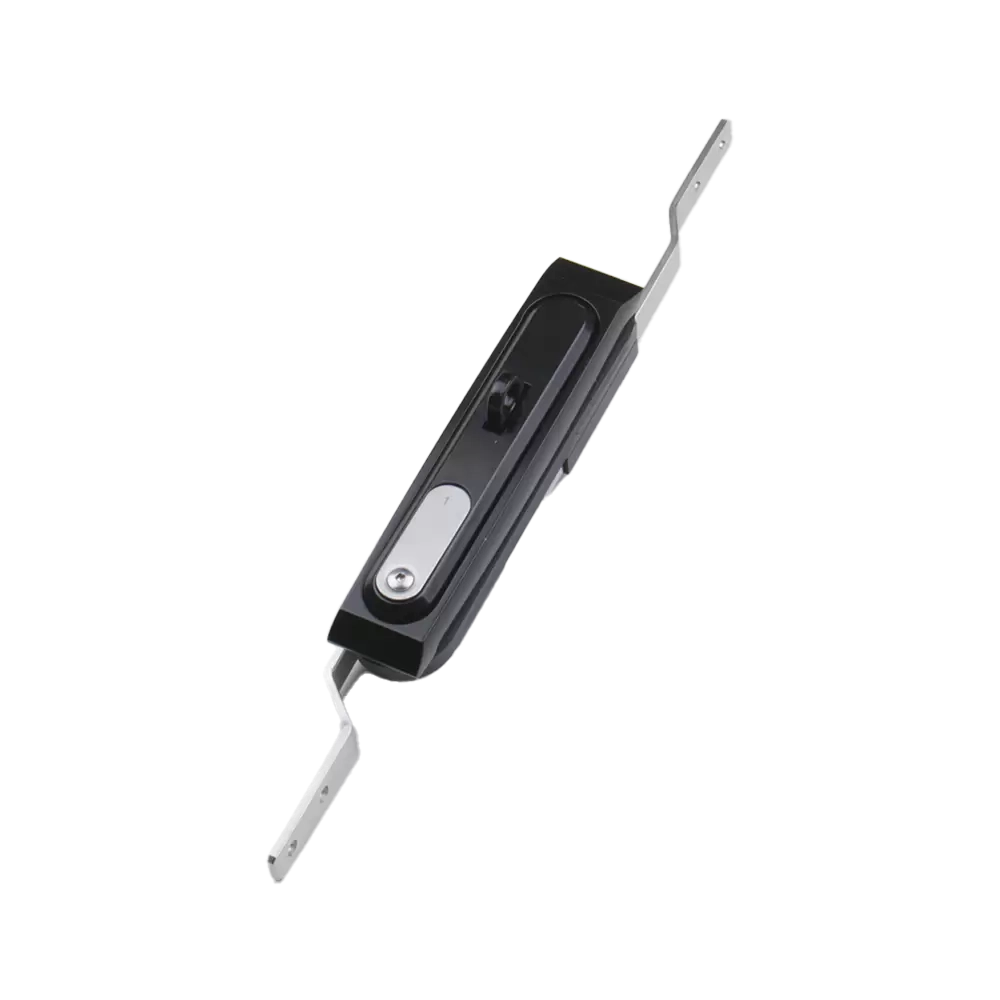
When it comes to industries that require precise control of mechanical systems—such as manufacturing, automotive, aerospace, and oil and gas—safety and efficiency are always top priorities. One critical component that contributes to both safety and operational precision is the rod control lock. These devices are used to securely hold rods or shafts in place during operation, ensuring that the components function smoothly without the risk of unintended movement. In this article, Shengjiu will explore how rod control locks work and their advantages. Whether you're working in a high-precision environment or ensuring that heavy machinery operates safely, understanding the importance of rod control locks is essential for maintaining both productivity and safety.
What is a Rod Control Lock?
A rod control lock is a mechanical device used to secure and immobilize rods or shafts, ensuring they remain in a fixed position. These locks are typically used in hydraulic or pneumatic systems, mechanical linkages, or any system involving rods that need to be held in place during operation. By preventing unwanted movement, rod control locks help maintain the integrity of mechanical systems, reduce the risk of damage, and ensure smooth, reliable performance.
The rod control lock is typically installed on the rod or actuator and may feature a locking mechanism that engages when pressure is applied or when specific conditions are met. In certain systems, these locks are spring-loaded or require manual operation, depending on the specific design and application.
How Does a Rod Control Lock Work?
The operation of a rod control lock is relatively straightforward but crucial for ensuring stability and security in various mechanical systems. Below is an overview of how these devices function:
-
Locking Mechanism Activation: When the rod or shaft needs to be held in a fixed position, the rod control lock is activated. This can occur either automatically when a specific force or pressure is applied, or manually when the operator engages the lock.
-
Engagement of Locking Components: Once activated, the rod control lock engages its internal components, which may include pins, gears, or hydraulic actuators, to physically prevent the rod from moving. In many cases, the lock holds the rod in place with a high level of force, ensuring that even external factors such as pressure fluctuations or mechanical stress do not cause the rod to shift.
-
Prevention of Unwanted Movement: Once the lock is in place, the rod or shaft remains immobile until the lock is disengaged. This prevents the rod from moving in any direction, which can be essential for maintaining system stability and preventing damage to the mechanical components.
-
Manual or Automatic Disengagement: Depending on the type of rod control lock, the release mechanism may be either manual (requiring the operator to disengage the lock) or automatic (triggered by specific system conditions). This flexibility allows for various uses in different industries and systems.
Advantages of Using a Rod Control Lock
Improved Safety
Rod control locks are essential for improving safety in environments where rods or shafts need to be securely held in place. By preventing unintended movement, these locks reduce the risk of accidents and equipment failure, particularly in high-pressure or heavy-duty applications. This is particularly important in industries like aerospace, automotive, and manufacturing, where precision and safety are paramount.
Enhanced Operational Efficiency
By ensuring that rods or actuators remain stationary during operation, rod control locks prevent misalignment or erratic movement that could disrupt the performance of the equipment. This enhances operational efficiency, allowing systems to run smoothly and with greater precision. In manufacturing environments, this means less downtime, fewer errors, and reduced need for repairs.
Protection of Equipment
The rod control lock helps protect sensitive machinery from damage caused by uncontrolled movement. For instance, in hydraulic and pneumatic systems, if the rod is allowed to move unintentionally, it could lead to severe wear or malfunction of the system. By locking the rod in place, the system's integrity is maintained, extending the lifespan of the components and reducing maintenance costs.
Reduced Maintenance Costs
Preventing unnecessary movement and wear through rod control locks reduces the likelihood of mechanical failures and the need for frequent maintenance. This not only cuts down on repair costs but also increases the overall efficiency of the machinery. Regular use of rod control locks ensures that the equipment is operating within its optimal parameters.
Flexibility in Applications
Rod control locks come in various configurations, making them adaptable to a wide range of applications. Whether you need manual or automatic operation, hydraulic or pneumatic locking, or simply a spring-loaded mechanism, there is a rod control lock designed for your specific needs. This flexibility allows for tailored solutions across different industries and use cases.
Conclusion
In a variety of industrial, commercial, and engineering applications, rod control locks play an integral role in maintaining safety, precision, and efficiency. From preventing unwanted movement in hydraulic systems to securing critical components in automotive and aerospace systems, these devices are indispensable for ensuring reliable operations.
By choosing the right rod control lock for your specific needs, you can protect valuable equipment, reduce maintenance costs, and enhance the overall performance of your mechanical systems. Whether you're working in manufacturing, heavy machinery, or robotics, the importance of selecting a high-quality rod control lock cannot be overstated—it’s essential for maintaining the safety, functionality, and longevity of your equipment.
https://www.shengjiuglobal.com/News/Maximizing-Safety-and-Efficiency-with-Rod-Control-Locks.html
https://www.shengjiuglobal.com/rod-control-lock/
www.shengjiuglobal.com
Shengjiu Group
About Author