Optimize Production With Electrophoretic Coating Line Solutions Worldwide
3 min readIn modern manufacturing environments where corrosion protection, efficiency, and sustainability have become critical benchmarks, electrophoretic coating equipment plays an indispensable role. Particularly in large-scale industries like automotive, home appliances, and heavy industrial manufacturing, optimized electrophoretic coating line solutions are not just a preference but a strategic investment. The growing focus on automation, material savings, and regulatory compliance has elevated demand for cutting-edge electrophoretic coating systems globally. As high performance powder coating production line exporter, Lexuan Intelligent Equipment will share the effectiveness of electrophoretic coating line solutions in production.
Manufacturing Efficiency Gains With Electrophoretic Coating Line Technology
A primary driver behind the adoption of electrophoretic coating equipment is efficiency enhancement. Unlike traditional spray coatings, electrophoretic systems enable uniform deposition across complex geometries, reducing rework and material waste. This contributes to higher throughput and consistent product quality, key priorities for automotive OEMs and appliance manufacturers handling large-volume production runs.
Leading manufacturers report that optimized electrophoretic lines, when integrated with automated material handling and bath monitoring systems, can shorten production cycle times and significantly reduce human error. Enhanced efficiency translates to measurable operational cost savings and improved on-time delivery performance, critical for suppliers serving global supply chains.
Global Market Demand and Regional Deployment Trends
The global electrophoretic coating market continues to grow at a robust pace, driven by strong industrial demand across key regions
• Asia-Pacific dominates adoption, reflecting rapid industrialization and massive automotive output, especially in China where over 40% of automotive manufacturing integrates electrophoretic coatings for corrosion resistance
• North America’s uptake is bolstered by rigorous standards in corrosion prevention and infrastructure applications, including transportation and heavy equipment sectors
• Europe benefits from sustainability mandates that increasingly favor low-VOC and energy-efficient coating solutions
Manufacturers and system integrators strategically plan install bases in these regions to align with expanding industrial needs and regulatory drivers.
Automation Integration for Next-Level Production Control
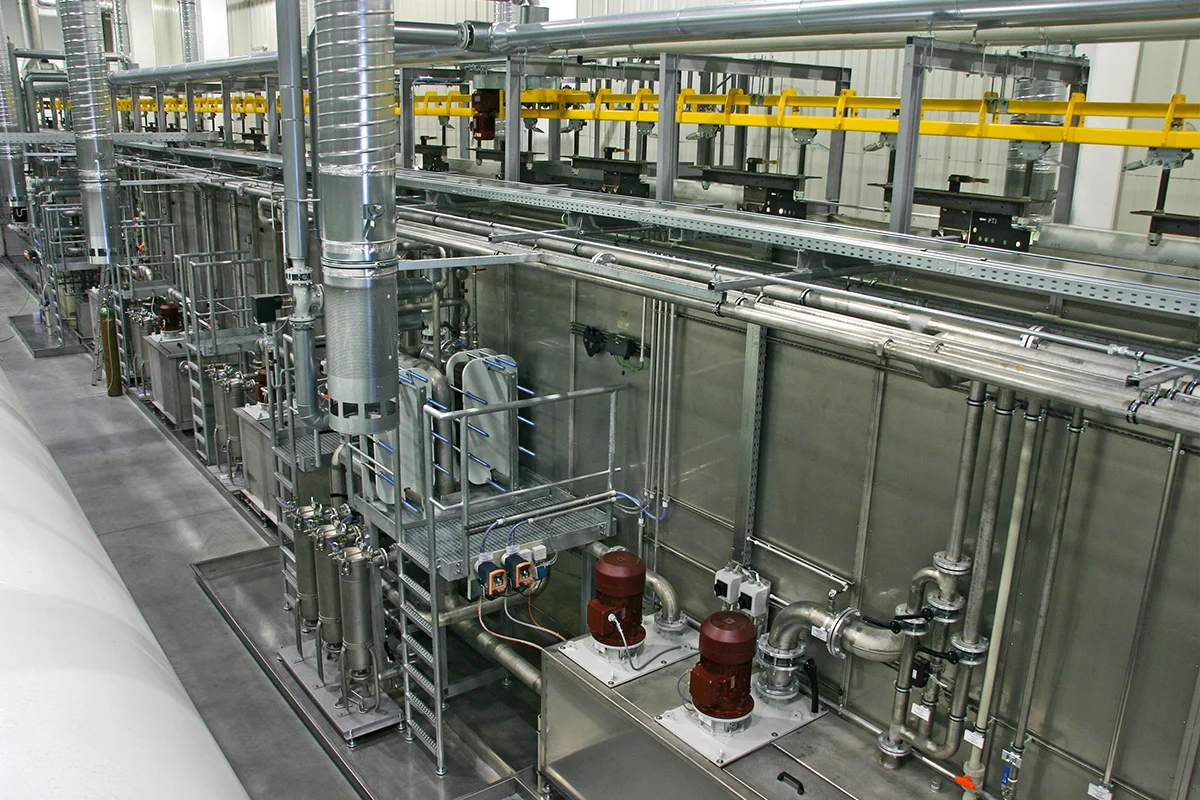
Electrophoretic coating lines now go beyond traditional bath and conveyor systems, incorporating real-time analytics and automated control modules. These digital capabilities enable
• Continuous monitoring of bath conductivity and deposition rates
• Automated chemical dosing and viscosity adjustments
• Predictive maintenance alerts based on equipment performance metrics
Such integration allows manufacturers to transition toward Industry 4.0 frameworks, where data-driven decision making enhances throughput while reducing downtime and waste. Automation upgrades also help align coating lines with corporate sustainability goals by minimizing energy use and solvent emissions through optimized cure cycles and bath regeneration practices.
Material Innovation and Environmental Compliance
With global emphasis on sustainability, electrophoretic coatings have evolved in formulation and application
• Waterborne electrophoretic coatings are increasingly preferred due to lower volatile organic compound (VOC) emissions, aligning with regulatory standards in Europe and North America
• Bio-based resin options are gaining traction, offering comparable performance while reducing carbon footprint
Equipment providers must ensure that coating line designs support these advanced chemistries, including precise bath control and efficient wastewater management solutions. These innovations contribute to compliance with environmental directives such as EU emissions standards and similar mandates in other industrial economies.
Application Diversification
While automotive remains the largest end-use segment driving electrophoretic coating line adoption, diversification continues across multiple sectors
• Home appliances: durable finishes with aesthetic flexibility
• Heavy equipment: enhanced protection under extreme conditions
• Electronics and consumer goods: fine film uniformity on delicate parts
This breadth of application underscores the versatility and long-term value that robust electrophoretic coating systems deliver across manufacturing domains.
Strategic Procurement Considerations
When sourcing electrophoretic coating equipment, companies should evaluate multiple factors
• Line scalability: ability to handle varying product sizes and volumes without compromising efficiency
• Integration capability: compatibility with MES (Manufacturing Execution Systems) and existing automation platforms
• Service support and regional presence: local technical support can accelerate commissioning and reduce downtime
• Total cost of ownership: beyond purchase price, consider maintenance, training, and consumables
A forward-looking procurement approach results in systems that not only meet current production demands but also future-proof operations.
Conclusion
Optimized electrophoretic coating line solutions deliver tangible business advantages, from improved corrosion resistance and throughput efficiency to expanded market adaptability and compliance with environmental norms. By aligning equipment selection with production strategy and long-term industry trends, manufacturers can reinforce competitiveness and position themselves for sustained growth. Given the evolving global landscape of electrophoretic coating technology, stakeholders with a clear strategic focus stand to benefit from increased operational agility and stronger market positioning.
www.lexuaneqpt.com
Lexuan Intelligent Equipment
About Author