Snack Food Metal Detector: A Complete Guide to Ensuring Safety and Quality in Snack Production
5 min read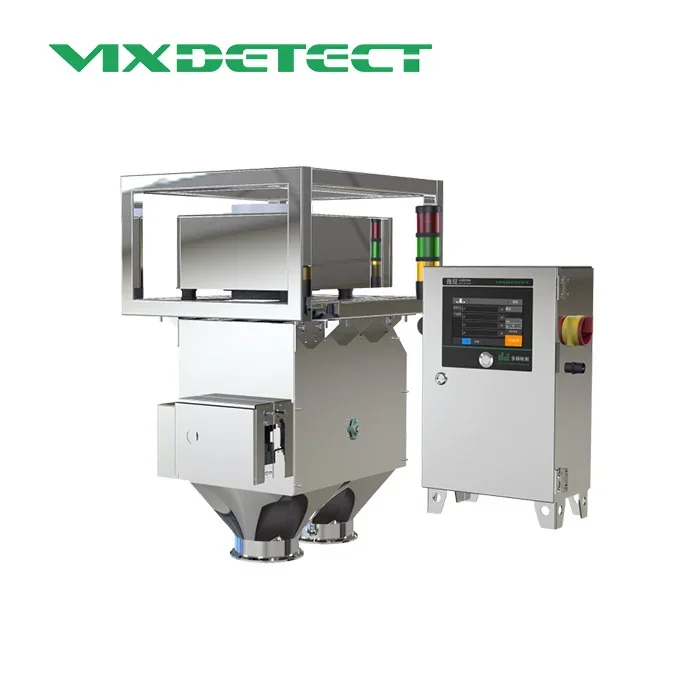
In today’s highly competitive food industry, snack products are among the most widely consumed packaged foods worldwide. From potato chips and biscuits to nuts, candies, and protein bars, snack foods are produced at massive scale and distributed across global markets. With such large-scale production, ensuring food safety becomes a critical responsibility for manufacturers.
One of the most important technologies used in modern snack production lines is the snack food metal detector. It plays a vital role in preventing metal contamination, protecting consumers, and maintaining brand reputation. This article provides a comprehensive, original, and in-depth understanding of snack food metal detectors, including how they work, why they are essential, key features, applications, and how to choose the right system for your production line.
1. What Is a Snack Food Metal Detector?
A snack food metal detector is an industrial inspection system designed specifically to detect and remove metal contaminants from snack products during the manufacturing process. These contaminants may include:
-
Iron (ferrous metals)
-
Non-ferrous metals such as aluminum
-
Stainless steel fragments
Metal contamination can enter snack food production lines at various stages, including raw material processing, mixing, slicing, frying, seasoning, packaging, or even from worn-out machinery parts.
The primary purpose of a snack food metal detector is to ensure that any product containing metal contamination is automatically rejected before it reaches consumers.
2. Why Metal Detection Is Critical in Snack Food Production
Snack foods are particularly vulnerable to contamination due to their complex and high-speed production processes. Even a tiny metal fragment can cause serious consequences, such as:
2.1 Consumer Safety Risks
Metal pieces in food can cause choking, internal injuries, or dental damage. Even microscopic fragments are considered dangerous.
2.2 Brand Reputation Damage
A single contamination incident can lead to product recalls, negative media coverage, and loss of consumer trust.
2.3 Legal and Compliance Issues
Food manufacturers must comply with strict safety regulations such as HACCP, FDA, and ISO standards. Failure to detect contaminants can result in legal penalties.
2.4 Production Line Efficiency
Modern snack food metal detectors help reduce waste and improve production efficiency by automatically removing contaminated products.
3. How a Snack Food Metal Detector Works
The working principle of a snack food metal detector is based on electromagnetic field technology.
3.1 Electromagnetic Field Generation
The system generates a stable electromagnetic field inside the detection head. When snack products pass through this field, any metal contamination disturbs the balance.
3.2 Signal Detection
If metal is present, it creates a signal change. The system detects this disturbance instantly.
3.3 Automatic Rejection System
Once contamination is identified, the system triggers an automatic rejection mechanism, such as:
-
Air blast ejectors
-
Push arms
-
Drop flaps
Contaminated products are removed from the production line without stopping the entire process.
4. Key Features of a High-Quality Snack Food Metal Detector
When selecting a metal detection system for snack food production, several important features must be considered:
4.1 High Sensitivity Detection
The system must detect extremely small metal particles, especially in products like chips or biscuits where contamination risks are high.
4.2 Multi-Frequency Technology
Advanced systems use multiple frequencies to improve detection accuracy for different types of snack products.
4.3 Automatic Calibration
Self-calibration ensures stable performance even when product types or environmental conditions change.
4.4 Conveyor Integration
Most snack food metal detectors are designed to integrate directly into conveyor production lines for continuous operation.
4.5 HACCP Compliance
A reliable system should support food safety compliance standards, including HACCP and ISO certifications.
4.6 Data Logging and Reporting
Modern systems can record detection events, helping manufacturers track quality control performance.
5. Applications in Snack Food Industry
Snack food metal detectors are widely used across various production segments.
5.1 Potato Chips and Crisps
Thin, fragile products require highly sensitive detection systems to ensure no contamination occurs during frying or seasoning.
5.2 Biscuit and Cookie Production
Metal detectors help identify contamination from dough mixing machines or packaging equipment.
5.3 Nut Processing
Nuts often pass through multiple mechanical processes, increasing the risk of metal fragments.
5.4 Candy and Chocolate Manufacturing
Sugar-based products can hide small metal particles, making detection essential.
5.5 Protein Bars and Health Snacks
Modern health snacks require strict safety standards due to their premium positioning.
6. Types of Snack Food Metal Detectors
Different production environments require different types of detection systems:
6.1 Conveyor Belt Metal Detectors
Used for continuous inspection of packaged or unpackaged snack products.
6.2 Gravity Fall Metal Detectors
Ideal for powdered or granular snack materials like flour or seasoning powders.
6.3 Pipeline Metal Detectors
Used for liquid or semi-liquid snack ingredients.
6.4 Combination Systems
Some advanced production lines use metal detectors combined with checkweighers or X-ray systems for enhanced safety.
7. How to Choose the Right Snack Food Metal Detector
Selecting the right system depends on several factors:
7.1 Product Type
Different snacks require different detection sensitivity levels. For example, chips require higher sensitivity than packaged biscuits.
7.2 Production Speed
High-speed production lines need fast response rejection systems.
7.3 Packaging Material
Foil packaging may interfere with detection, requiring specialized systems.
7.4 Environmental Conditions
Temperature, humidity, and vibration can affect performance.
7.5 Budget and ROI
While advanced systems cost more, they reduce product recalls and long-term losses.
8. Common Challenges and Solutions
8.1 False Rejections
Sometimes metal detectors incorrectly reject products due to product effect interference. Modern systems solve this with advanced signal filtering.
8.2 Small Metal Particles
Ultra-fine metal fragments require high-frequency detection technology.
8.3 Conveyor Interference
Electrical noise and vibration can affect accuracy, but proper installation reduces this issue.
9. Maintenance and Calibration
To ensure long-term performance, regular maintenance is essential:
-
Daily cleaning of detection area
-
Weekly calibration checks
-
Monthly sensitivity testing
-
Annual professional servicing
Proper maintenance ensures consistent detection accuracy and compliance with food safety standards.
10. Future Trends in Snack Food Metal Detection
The technology behind snack food metal detectors is continuously evolving. Future trends include:
-
AI-powered detection systems
-
Cloud-based monitoring and reporting
-
Integration with smart factories (Industry 4.0)
-
Higher sensitivity for micro-contaminants
-
Energy-efficient detection systems
These advancements will further improve food safety and production efficiency.
Conclusion
A snack food metal detector is an essential component in modern snack manufacturing. It ensures product safety, protects consumers, reduces financial losses, and strengthens brand reputation. As snack food production becomes increasingly automated and globalized, the importance of reliable metal detection systems continues to grow.
Choosing the right system requires careful consideration of product type, production speed, sensitivity requirements, and compliance standards. With the right equipment in place, manufacturers can confidently deliver safe, high-quality snack products to the market.
www.vixdetect.net
vixdetect
About Author