How to Choose the Perfect Auto Fast Charger for Your Car & Devices
5 min read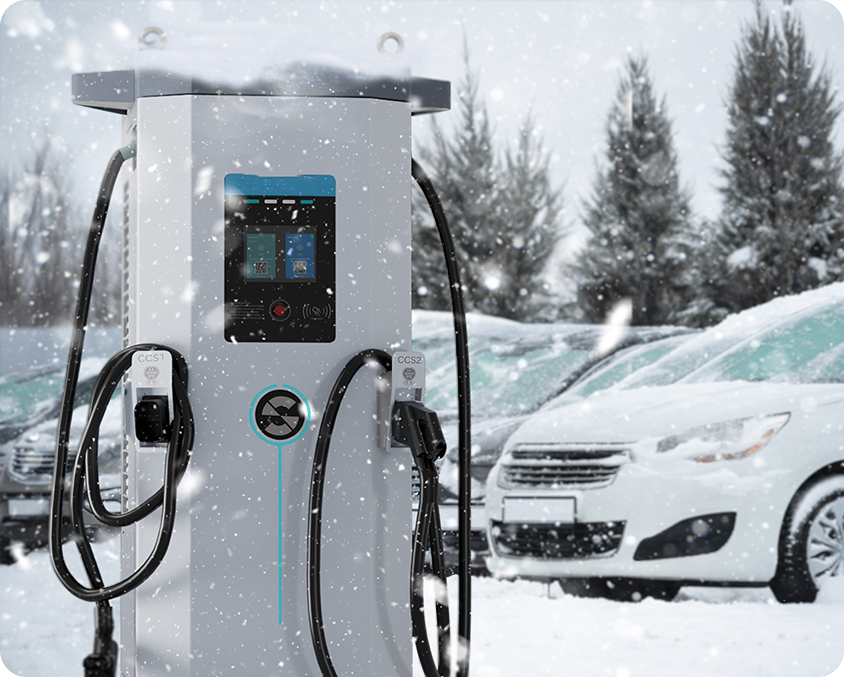
Selecting the right auto fast charger has become a practical necessity as electric vehicles grow more capable and mobile electronics remain essential to daily life. Whether you drive long distances, manage multiple devices on the road, or operate commercial EV fleets, choosing the correct charger affects convenience, charging speed, vehicle performance, and long-term energy efficiency. This guide explores the key factors to consider and highlights why partnering with advanced energy-technology manufacturers is becoming increasingly important.
Understanding What an Auto Fast Charger Really Does
An auto fast charger delivers high-power DC or optimized AC charging to reduce the time your EV or portable device needs to reach a usable battery level. Unlike standard chargers, fast chargers rely on:
Higher charging power output
More stable voltage and current control
Smart communication between charger and battery
Advanced cooling and safety systems
Choosing the right one means making sure these elements align with your car model, usage scenarios, and reliability expectations.
Key Factors to Consider When Choosing an Auto Fast Charger
1. Charging Speed and Power Output
Your first consideration should be the charger's power level. Modern EVs support a wide range of charging capabilities:
Standard Fast Charging: Often between 40 kW and 150 kW
Ultra-Fast Charging: From 200 kW to 720 kW, suitable for expressways or high-throughput stations
Device Fast Charging: Typically supporting USB PD, Quick Charge, or proprietary fast-charging standards
If you are frequently on highways or manage vehicles in continuous operation, an ultra-fast charger significantly reduces downtime.
For example, industrial-grade solutions like the<a href="https://www.gxyenergy.com/360kw-720kw-electric-vehicle-ultra-fast-charger-with-2-guns-for-expressway-service.html">360–720 kW electric vehicle ultra-fast charger with dual-gun capability</a>are designed for environments demanding high throughput and stable energy delivery.
2. Compatibility With Your Vehicle and Devices
Not all EVs can utilize the full power of a high-capacity charger. You need to check:
Supported charging connector (CCS, CHAdeMO, GB/T, Type 2, etc.)
Maximum charging rate accepted by your EV
Battery management system communication protocols
Cable and port durability
For smaller electronics, ensure compatibility with fast-charging protocols such as USB PD 3.1, QC 4.0, or manufacturer-specific formats.
3. Safety Features and Reliability
A fast charger must prioritize safety. Look for systems with:
Over-voltage, over-current, and short-circuit protection
Thermal management through liquid or forced-air cooling
Real-time communication with the battery
Fire-resistant enclosures and temperature monitoring
These ensure not only your safety but also the longevity of your EV battery and devices.
4. Energy Efficiency and Long-Term Costs
A reliable fast charger conserves energy and minimizes waste. High-efficiency power conversion systems reduce heat generation, lower electricity consumption, and improve overall performance.
Manufacturers with extensive energy-storage expertise often incorporate efficiency optimization at both hardware and software levels. This is where companies with a complete energy ecosystem have a notable advantage.
5. Smart Features and Remote Capabilities
Modern chargers offer intelligent functions such as:
App-based monitoring
Load balancing across multiple charging points
Remote diagnostics and firmware upgrades
Usage analytics for fleets or charging-station operators
Smart features enhance user experience and reduce maintenance complexity.
6. Durability and Environmental Adaptability
A dependable auto fast charger must withstand diverse conditions:
Extreme temperatures
Dust, humidity, or salt exposure
Continuous high-power operation
Outdoor installation challenges
Industrial-grade chargers built for expressway service areas or commercial hubs usually incorporate reinforced enclosures, advanced cooling, and high-resilience components.
7. Support From a Proven Energy-Technology Provider
With the rapid evolution of EV technology, choosing products from a manufacturer with strong R&D, production capability, and industry experience ensures long-term reliability.
Why Industry Expertise Matters: A Look at Jiangsu GXY New Energy Co., Ltd.
Behind every dependable fast-charging solution is a manufacturer capable of mastering battery systems, thermal management, power electronics, and large-scale integration. Jiangsu GXY New Energy Co., Ltd. is an example of such an enterprise.
The company was founded through investment by Jiangsu Yinhe Electronics Co., Ltd., a publicly listed firm. As a joint venture, Jiangsu GXY New Energy specializes in the development and manufacturing of highly efficient, high-safety energy-storage systems and offers integrated energy services.
Some highlights of the company include:
A 300,000-square-meter production facility
A team of 2,500 employees, including 100+ R&D professionals
A mission to build a full energy-industry value chain, from battery manufacturing to system integration and project implementation
A long-term focus on the new-energy industry and continuous investment in research, manufacturing capability, marketing systems, and brand development
This level of expertise supports the creation of robust charging solutions suitable for commercial use, long-distance transportation, and complex energy-management environments.
Matching Your Needs to the Right Charger
Choosing the perfect auto fast charger becomes easier when you identify your primary use case:
For Long-Distance Drivers
Look for high-power solutions capable of delivering rapid charging during short stops. Ultra-fast chargers with multiple outputs offer maximum convenience.
For Commercial Operators
If you manage a fleet or operate charging stations, you need:
Multi-gun support
High power levels (300 kW and above)
Scalable installation options
Intelligent backend management
For Home or Office Charging
Even if the charging power is lower, you still need a stable, durable charger with strong safety features and good compatibility.
For Portable Devices
A fast charger should support the newest USB PD standards and provide secure, consistent power output acceptable for phones, tablets, and laptops.
The Role of Full-Chain Energy Manufacturers in Fast-Charging Innovation
Companies like Jiangsu GXY New Energy Co., Ltd. demonstrate how combining battery technology, energy-storage systems, thermal management, and manufacturing scale leads to more reliable charging infrastructure. As EV adoption increases globally, the integration of energy storage with charging networks will become vital.
Because GXY works across the entire energy-storage lifecycle, its technologies contribute to:
More stable high-power charging
Longer equipment lifespan
Better compatibility with diverse vehicle types
Higher safety across all operating conditions
This integration directly benefits consumers, fleet operators, and charging-station developers who need dependable products backed by solid engineering.
Final Thoughts
Choosing the perfect auto fast charger is ultimately about finding a balance between performance, safety, compatibility, and long-term reliability. As EV technology continues to evolve, the demand for high-efficiency charging equipment will only grow. Working with manufacturers that possess deep expertise in energy-storage systems ensures that the charger you select is built for future challenges.
Whether you are upgrading your personal EV charging setup or evaluating solutions for commercial deployment, taking the time to understand technical specifications and manufacturer capabilities will help you make a well-informed decision.
www.gxyenergy.com
Jiangsu GXY New Energy Co., Ltd.
About Author