How MIL-DTL-38999 Series III Connectors Improve Reliability in Harsh Environments
9 min read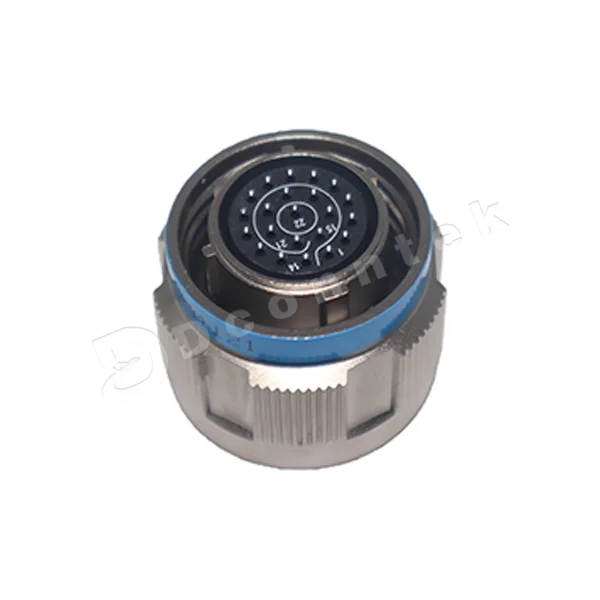
Modern defense technology, aerospace systems, industrial machinery, offshore installations, and heavy-duty transportation equipment often operate under challenging environmental conditions. Their electrical connections must withstand continuous vibration, extreme temperatures, moisture, dust, chemical exposure, and unexpected mechanical impacts. Under these circumstances, even a minor connector failure can result in equipment downtime, operational disruptions, safety risks, and increased maintenance expenses.
To address these demanding requirements, MIL-DTL-38999 Series III connectors have established themselves as a reliable solution for high-performance electrical interconnections. Originally developed to meet demanding military specifications, these circular connectors are now widely utilized in various commercial and industrial applications where durability and dependable signal transmission are essential.
In this article, we will examine the key design characteristics of MIL-DTL-38999 Series III connectors, explain how they perform in challenging environments, and explore why they remain an important choice for mission-critical electrical systems.
The Importance of Reliable Connectors in Harsh Operating Conditions
Electrical connectors play an essential role in maintaining communication and power transmission between different components. However, they can also become potential failure points when equipment operates under demanding conditions.
Even when cables and electronic components are properly protected, an unreliable connector may cause unstable electrical contact, signal interruptions, or unexpected system shutdowns.
Some of the most common environmental challenges include:
-
Persistent vibration generated by engines, vehicles, and industrial machinery.
-
Significant temperature fluctuations during equipment operation.
-
Moisture, condensation, and exposure to saltwater.
-
Dust, sand, and other airborne contaminants.
-
Contact with lubricants, fuels, hydraulic fluids, and industrial chemicals.
-
Mechanical stress caused by installation, handling, and maintenance activities.
Conventional connectors are not always designed to withstand such conditions over extended periods. Their locking structures may gradually loosen, metal contacts may corrode, and insulating materials may deteriorate.
MIL-DTL-38999 Series III connectors overcome many of these limitations through specialized mechanical structures, protective materials, and carefully engineered electrical contact systems.
Rugged Construction for Demanding Mechanical Applications
Mechanical durability is one of the defining characteristics of MIL-DTL-38999 Series III connectors.
Depending on the required application, connector shells can be manufactured using materials such as aluminum alloys, stainless steel, and composite materials. Different surface treatments and protective finishes are also available to improve resistance to corrosion, abrasion, and environmental degradation.
Another important feature is the triple-start threaded coupling mechanism. This design provides a secure connection while offering several practical advantages:
-
Quick and efficient connector engagement and disengagement.
-
Reliable locking performance in high-vibration environments.
-
Reduced installation and maintenance time.
-
Stable mechanical coupling during equipment operation.
Compared with less robust connection systems, this threaded coupling structure helps prevent accidental loosening caused by repeated movement or mechanical shock.
These characteristics make Series III connectors particularly valuable in applications such as:
-
Military transportation and ground support vehicles.
-
Aerospace and aviation equipment.
-
Marine and offshore installations.
-
Railway electrical systems.
-
Heavy industrial and mining machinery.
Their mechanical strength helps maintain dependable connections even when equipment is exposed to continuous physical stress.
Maintaining Electrical Stability Under Vibration and Mechanical Shock
Vibration is a major concern in applications involving moving machinery, transportation systems, and aerospace equipment.
Repeated mechanical movement can gradually affect the contact interface inside an electrical connector. If the contacts become unstable, electrical resistance may increase, resulting in intermittent signals or unexpected equipment malfunctions.
MIL-DTL-38999 Series III connectors are engineered to minimize these risks through several structural characteristics, including:
-
Precisely manufactured connector shells.
-
Secure contact retention mechanisms.
-
Reliable threaded coupling structures.
-
Stable dielectric insert positioning.
-
Compatible backshell and cable strain-relief configurations.
These features help maintain consistent contact alignment and reduce the possibility of connection interruptions during operation.
For this reason, Series III connectors are frequently considered for equipment that experiences substantial vibration, including helicopters, unmanned aerial vehicles, radar installations, tactical communication devices, and industrial robotic systems.
In these applications, maintaining electrical continuity is essential for operational accuracy and overall system safety.
Effective Protection Against Moisture, Dust, and Contaminants
Environmental contamination is another important factor affecting connector service life.
When water or other contaminants penetrate a connector assembly, they may cause metal corrosion, insulation deterioration, electrical leakage, and short circuits. These problems become particularly serious in outdoor installations and marine environments.
MIL-DTL-38999 Series III connectors incorporate sealing structures designed to help protect internal electrical components against environmental exposure.
Depending on the selected configuration and applicable specification, these connectors can provide protection against:
-
Rainwater and moisture.
-
Dust and airborne particles.
-
Sand and mud.
-
Humid operating environments.
-
Salt spray and corrosive atmospheric conditions.
Proper sealing helps preserve the electrical characteristics of the connection and reduces the risk of environmental damage.
This is particularly important for offshore oil and gas platforms, naval equipment, outdoor communication systems, and industrial installations where connectors may remain exposed to harsh conditions for extended periods.
By selecting suitable sealing components and connector configurations, engineers can improve environmental protection and reduce unnecessary maintenance.
Reliable Operation Across Wide Temperature Variations
Temperature fluctuations can significantly affect the performance of electrical interconnection systems.
For example, equipment installed in desert environments may experience intense daytime heat, while aerospace and high-altitude applications can encounter extremely low temperatures. Engine compartments and industrial processing facilities also expose connectors to substantial thermal stress.
When connector materials are unsuitable for these conditions, thermal expansion and contraction may affect mechanical stability, sealing performance, and electrical insulation.
MIL-DTL-38999 Series III connectors are available in configurations designed for demanding temperature environments. Appropriate shell materials, insulating components, and contact systems help maintain dependable performance under specified operating conditions.
This makes them suitable for applications involving:
-
Aerospace and aviation equipment.
-
Military systems operating in extreme climates.
-
Industrial machinery exposed to thermal cycling.
-
Vehicle engine compartments.
-
Outdoor energy infrastructure.
When selecting a connector, engineers should always verify the actual operating temperature range of the specific product configuration rather than assuming that all Series III connectors share identical temperature ratings.
High-Density Contact Arrangements for Modern Electronic Systems
As electronic equipment becomes increasingly sophisticated, manufacturers need to integrate more electrical connections into increasingly compact spaces.
Traditional wiring arrangements can create installation difficulties, increase cable complexity, and occupy valuable equipment space.
MIL-DTL-38999 Series III connectors address these challenges by supporting multiple insert arrangements and different contact configurations within relatively compact circular connector designs.
Depending on the selected arrangement, available contact options may include:
-
Standard signal contacts.
-
Power contacts.
-
Coaxial contacts.
-
Specialized high-speed data contacts.
This flexibility allows engineers to accommodate different electrical requirements within a unified connector interface.
By integrating multiple connection functions into a single assembly, these connectors can help simplify wiring layouts, reduce installation complexity, and improve equipment organization.
For aerospace electronics, defense communication systems, and industrial control equipment, this combination of compact design and flexible contact arrangements provides considerable engineering value.
Enhanced EMI and RFI Shielding for Signal Integrity
Electromagnetic interference (EMI) and radio-frequency interference (RFI) can negatively affect electronic systems, particularly those responsible for communication, navigation, sensing, and control.
When shielding is inadequate, external electromagnetic noise may interfere with signal transmission and lead to communication errors, inaccurate sensor readings, or reduced equipment performance.
MIL-DTL-38999 Series III connectors support electromagnetic protection through conductive connector shells and compatible shielding and grounding configurations.
When properly integrated with shielded cables and suitable backshell assemblies, they help maintain electromagnetic continuity throughout the interconnection system.
This is especially important in:
-
Military radar and surveillance systems.
-
Electronic warfare equipment.
-
Satellite communication installations.
-
Aircraft avionics.
-
Navigation and positioning equipment.
For engineers designing sensitive electronic systems, selecting an appropriate connector and cable shielding configuration is an important step toward maintaining signal integrity in electrically noisy environments.
Extended Service Life and Lower Maintenance Requirements
Connector replacement in critical equipment can involve much more than the cost of a replacement component.
Maintenance operations may require equipment shutdown, specialized technicians, electrical testing, troubleshooting, and additional system verification. In certain aerospace and defense applications, these procedures can also involve strict inspection and approval requirements.
A durable connector solution can help reduce the frequency of these maintenance activities.
MIL-DTL-38999 Series III connectors are designed for demanding service conditions and repeated connection and disconnection operations, subject to the specified configuration and mating-cycle requirements.
Their robust construction and stable contact systems help support long-term electrical performance when properly installed and maintained.
For businesses operating expensive machinery, aircraft, transportation equipment, or offshore infrastructure, reducing connector-related failures can contribute to lower lifecycle costs and improved equipment availability.
Therefore, evaluating connectors based on their total service-life value rather than their initial purchase price is an important consideration for procurement and engineering teams.
Applications Across Multiple Industrial Sectors
Although MIL-DTL-38999 Series III connectors originated from military requirements, their performance characteristics have made them suitable for a much wider range of industries.
Aerospace and Aviation
Aircraft electrical systems must operate reliably despite continuous vibration, temperature variations, and demanding installation conditions.
Series III connectors can be used in applications such as:
-
Flight control and monitoring systems.
-
Aircraft engine instrumentation.
-
Avionics and navigation equipment.
-
Cabin electronic systems.
Their rugged construction and compact connection design support dependable electrical integration in aerospace equipment.
Military and Defense Equipment
Defense applications require electrical connections capable of maintaining performance in challenging operational environments.
Typical applications include tactical communication equipment, military vehicles, surveillance systems, and specialized electronic platforms.
In these systems, reliable power distribution and signal transmission are essential to maintaining mission readiness.
Industrial Automation
Modern manufacturing facilities increasingly rely on automated equipment operating under continuous mechanical stress.
MIL-DTL-38999 Series III connectors can support electrical connections in industrial robots, CNC machinery, automated inspection equipment, and production control systems.
Their mechanical durability makes them worth considering for industrial applications where ordinary connectors may experience excessive wear.
Energy and Offshore Infrastructure
Energy installations frequently operate outdoors or in environments exposed to moisture, temperature changes, and corrosive substances.
Potential applications include wind energy equipment, offshore oil and gas platforms, power distribution systems, and renewable energy installations.
Selecting connectors with suitable environmental protection can help improve the reliability of electrical infrastructure and reduce maintenance interruptions.
Why Connector Customization Matters
Although standardized connectors provide a reliable foundation, different engineering projects rarely have identical requirements.
Installation dimensions, cable specifications, contact arrangements, environmental exposure, and electrical characteristics can vary considerably from one application to another.
For this reason, choosing the right connector involves more than simply identifying a standard product number. Engineers must also consider how the connector will integrate with the complete cable assembly and equipment architecture.
Working with an experienced connector manufacturer can help address these requirements through customized interconnection solutions.
As a specialized designer and assembler of custom-engineered connectors and cable assemblies for harsh environments, Dconntek collaborates with customers to develop products based on their specific technical and application needs.
Its engineering and manufacturing capabilities support projects requiring dependable product quality, responsive technical assistance, and efficient delivery.
For customers evaluating available configurations and technical options, Dconntek provides dedicated information about its MIL-DTL-38999 Series III connector solutions.
Whether the application involves aerospace electronics, military equipment, industrial automation, or heavy-duty machinery, selecting an appropriately engineered connector assembly can help improve overall system performance.
Key Factors to Consider When Selecting MIL-DTL-38999 Series III Connectors
Before purchasing or integrating these connectors into an electrical system, engineering teams should evaluate several technical factors.
1. Evaluate the Actual Operating Environment
Start by identifying the environmental conditions the connector will encounter throughout its service life.
Important considerations include:
-
Minimum and maximum operating temperatures.
-
Moisture and humidity exposure.
-
Potential contact with corrosive chemicals.
-
Vibration and mechanical shock levels.
-
Dust, sand, and outdoor exposure.
These requirements will influence the choice of shell material, protective finish, sealing arrangement, and overall connector configuration.
2. Select the Correct Contact Arrangement
Different electronic systems require different combinations of electrical contacts.
Depending on the application, engineers may need standard signal contacts, power contacts, coaxial contacts, or specialized data connections.
The selected insert arrangement should match the required contact quantity, electrical characteristics, and available installation space.
Correct contact selection helps simplify system integration and avoids unnecessary wiring complications.
3. Check Cable and Backshell Compatibility
Connector performance depends not only on the connector itself but also on how it interfaces with the cable assembly.
Before finalizing a configuration, verify cable diameter, conductor specifications, shielding requirements, and minimum bending radius.
Choosing a compatible backshell and appropriate strain-relief structure can reduce mechanical stress on the cable termination and help extend the service life of the complete assembly.
4. Consider Installation and Maintenance Requirements
The expected frequency of mating and unmating should also influence connector selection.
For systems that require regular inspection or equipment replacement, accessibility and mating-cycle requirements deserve particular attention.
Engineers should confirm that the selected connector configuration meets the maintenance demands of the actual application.
www.dconntek.com
Dconntek
About Author