Why Permanent Magnet Synchronous Motors Are Transforming EVs
4 min read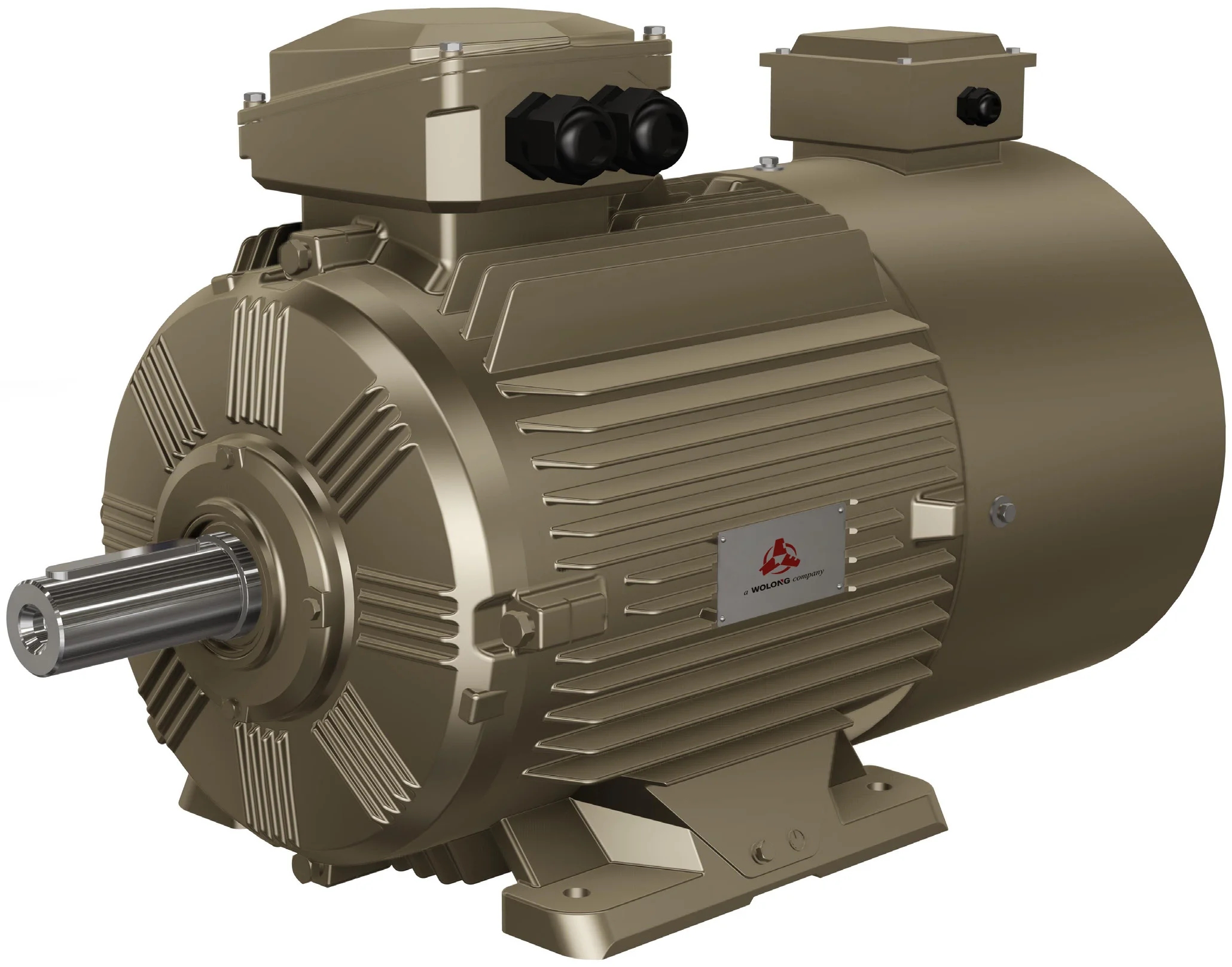
The electric vehicle (EV) industry is no longer in its infancy. Global automakers are scaling production, governments are accelerating electrification policies, and supply chains are rapidly evolving to meet performance and efficiency expectations. At the heart of this transformation lies one critical component: the motor.
Among various motor technologies, Permanent Magnet Synchronous Motors (PMSMs) have emerged as a leading solution for modern electric vehicles. Their efficiency, power density, and controllability are reshaping drivetrain architecture and setting new standards for vehicle performance.
This article explores why PMSMs are revolutionizing the EV industry, how they compare with other motor technologies, and what this shift means for manufacturers, engineers, and energy solution providers.
The Role of the Motor in Electric Vehicles
In an internal combustion engine vehicle, performance largely depends on engine design and fuel delivery systems. In electric vehicles, the motor becomes the central performance driver.
An EV motor directly affects:
-
Energy efficiency
-
Acceleration and torque response
-
Driving range
-
Thermal management requirements
-
Overall vehicle weight
-
Reliability and maintenance costs
As battery technology improves, the demand for motors that can fully utilize battery output while minimizing losses becomes increasingly critical. This is where Permanent Magnet Synchronous Motors stand out.
What Is a Permanent Magnet Synchronous Motor?
A Permanent Magnet Synchronous Motor is an AC motor that uses permanent magnets embedded in the rotor to create a constant magnetic field. The stator generates a rotating magnetic field, and the rotor synchronizes with it—hence the term “synchronous.”
Unlike induction motors, PMSMs do not require rotor current induction to generate torque. This eliminates rotor copper losses and significantly improves efficiency.
For industrial and vehicle applications seeking optimized performance, advanced solutions such as
<a href="https://www.juyueenergy.com/Permanent-magnet-synchronous-motor">Permanent Magnet Synchronous Motor</a>
are increasingly adopted across electrified transportation systems.
Why PMSMs Are Ideal for EV Applications
1. High Energy Efficiency
Efficiency is critical in electric vehicles because it directly affects driving range. PMSMs typically achieve higher efficiency compared to induction motors, especially under partial load conditions common in city driving.
Key reasons for higher efficiency include:
-
No rotor copper losses
-
Reduced heat generation
-
Better electromagnetic utilization
For EV manufacturers, even a small percentage increase in motor efficiency can translate into measurable gains in range and battery utilization.
2. High Power Density
Space and weight are major design constraints in electric vehicles. PMSMs offer high torque and power output relative to their size and weight.
This enables:
-
Compact drivetrain designs
-
Lower overall vehicle weight
-
Greater flexibility in chassis integration
High power density allows designers to optimize vehicle packaging without sacrificing performance.
3. Strong Low-Speed Torque Performance
Electric vehicles demand instant torque for smooth acceleration and responsive driving. PMSMs deliver high torque at low speeds, which enhances:
-
Urban driving performance
-
Hill-start capability
-
Heavy-load applications
This characteristic is particularly valuable for electric buses, delivery vehicles, and SUVs.
4. Excellent Speed Control
Modern EVs rely heavily on advanced motor control algorithms. PMSMs offer precise speed regulation and fast dynamic response when combined with vector control or field-oriented control (FOC).
This results in:
-
Smooth acceleration
-
Stable high-speed operation
-
Reduced vibration and noise
Control precision also supports regenerative braking efficiency, improving overall energy recovery.
5. Improved Thermal Performance
Because PMSMs reduce internal losses, they generate less heat compared to many alternative motor types. Lower thermal stress contributes to:
-
Longer service life
-
Reduced cooling system complexity
-
Improved reliability
In commercial fleets and industrial electric vehicles, long-term durability is a decisive factor.
PMSM vs Induction Motor in EVs
For years, induction motors were widely used in electric vehicles due to their simple structure and lower reliance on rare earth materials. However, PMSMs have gradually gained dominance in passenger vehicles and high-performance EVs.
| Factor | PMSM | Induction Motor |
|---|---|---|
| Efficiency | Higher | Moderate |
| Power Density | High | Lower |
| Thermal Loss | Lower | Higher |
| Control Complexity | Advanced | Moderate |
| Maintenance | Low | Low |
The industry shift reflects a focus on maximizing range and efficiency while minimizing drivetrain weight.
Impact on EV Industry Development
The adoption of PMSMs is not just a technical upgrade; it influences the entire EV ecosystem.
1. Battery Optimization
Higher motor efficiency means better battery utilization. Automakers can:
-
Reduce battery size while maintaining range
-
Extend vehicle range without increasing battery capacity
-
Lower system weight
This has significant implications for cost control and energy density strategy.
2. Platform Standardization
Many manufacturers are developing modular EV platforms. PMSMs support scalable architecture because of their compact design and performance consistency across different vehicle classes.
This enables:
-
Faster model development cycles
-
Shared drivetrain platforms
-
Flexible production lines
3. Industrial Electrification Beyond Passenger Vehicles
The benefits of PMSMs extend beyond cars. Industrial electric vehicles, automated guided vehicles (AGVs), and hybrid industrial machinery increasingly rely on PMSM technology.
Companies providing integrated industrial and electromechanical solutions play a key role in this transformation.
www.juyueenergy.com
Shanghai Juyue Energy Engineering Co., Ltd.
About Author